Most people don’t think much about a drain until it stops doing its job at the worst possible time. That’s usually how it goes. Everything’s fine, the house is full, the dishwasher is running, dessert is coming out, and then somebody walks into the kitchen and finds water and suds spreading across the floor because the sink has backed up.
I’ve seen that kind of mess more than once. It throws the whole day off fast. A kitchen backup during a gathering isn’t just annoying. It turns cleanup into damage control, and nobody wants to spend the evening chasing water with towels.
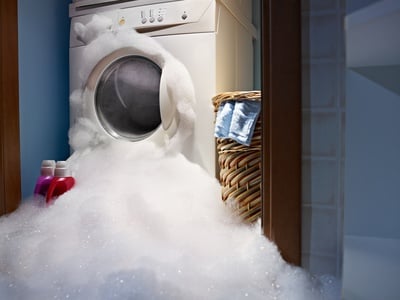
Plumbing Emergency with Washing Machine
The Trouble With After-Hours Drain Problems
Drain issues have a habit of showing up late, on weekends, or right when you’ve got people over. That’s part of what makes them so frustrating. A slow line you’ve been ignoring all week suddenly turns into a full stoppage once the sink, dishwasher, and disposal all get used back to back.
At that point, waiting until morning usually isn’t realistic. Water on the floor keeps spreading. Cabinets can take on moisture. Flooring can swell. If the backup is bad enough, you’re not just dealing with a clogged drain anymore. You’re dealing with cleanup, odor, and the chance of damage getting worse by the hour.
Drain Stoppages Start Small
A lot of emergency drain calls begin with buildup that’s been there for a while. Kitchen lines are high on the list because grease, food scraps, and soap residue slowly tighten the inside of the drain until water has nowhere left to go. People are often surprised when the dishwasher is what finally exposes the problem, but that’s common. It sends a lot of water through the line in a short stretch.
Bathroom drains have their own pattern. Hair, soap scum, and daily use gradually slow the sink, tub, or shower until one day the water just sits there. Toilets are another story. Usually it’s something that never should’ve been flushed in the first place. In houses with kids, small toys still make their way into the drain more often than people expect.
Sometimes the issue isn’t limited to one fixture. All those branch lines eventually feed into the main drain. When that line stops, the problem can show up in more than one place at once, and that’s when things get messy in a hurry.
Water Leaks Don’t Stay Small for Long
Leaks are another after-hours problem that people try to wait out, and that usually backfires. A drip under a sink, behind a toilet, or near a water heater can turn into a steady release once pressure finds a weak spot. Water doesn’t need much time to damage flooring, drywall, trim, or anything stored nearby.
The first thing I think about with a leak is containment. Stopping the water matters more than anything else in the first few minutes. Once the feed is shut down, the repair becomes a lot more manageable and the damage usually stays more limited.
Frozen Drain and Water Lines
In cold weather, frozen lines can stop flow completely. If the freeze holds long enough, the line can split and then you’ve got water going where it shouldn’t once things thaw. That’s one of those jobs where timing matters. A frozen section caught early is usually a lot easier to deal with than a burst line that’s already let loose.
People sometimes try space heaters, open flames, or whatever else seems quick in the moment. That’s risky. Too much heat in the wrong spot can damage the line or the area around it before the ice even gives way.
What I Usually Tell People to Do First
If a drain is backing up, stop running water into it. That sounds obvious, but in the middle of a mess people often keep testing the sink, flushing again, or restarting the dishwasher to see if it cleared. Most of the time that just adds more water to the problem.
If there’s a leak, shut off the nearest water source if you can do it safely. Then move anything nearby that can be damaged. Towels and buckets help, but they’re only buying time. The main goal is to keep the problem from spreading until the drain issue or leak is under control.
What to Expect
Emergency drain work is usually about getting the immediate problem contained first, then figuring out what caused it. Sometimes it’s a straightforward stoppage. Sometimes it’s years of buildup that finally caught up with the line. Sometimes the visible problem is only the symptom and the real issue is farther down the drain.
Either way, the biggest mistake is waiting too long because you hope it’ll settle down on its own. Drain problems rarely do. They usually get louder, wetter, and more expensive.
Drain problems don’t wait for business hours. A toilet backs up at midnight, a kitchen line stops draining during dinner cleanup, or a pipe starts leaking across the floor when nobody’s prepared for it. I handle emergency drain issues because these problems usually can’t sit until morning without getting worse.
A lot of people don’t know what to do when something goes wrong after hours. Most try a plunger, maybe a bottle off the shelf, then realize pretty quickly the problem isn’t moving. By that point, water may already be backing up, spreading across the floor, or putting the rest of the drain system out of service.
Why 24-Hour Emergency Drain Service Matters
If the only toilet in the building won’t drain, that’s not something you can ignore until the next business day. The same goes for a kitchen sink that won’t clear, a shower drain that’s backing up, or a line leak that’s soaking the floor. Emergency drain service matters because some problems keep spreading the longer they sit.
Nighttime drain issues are especially rough for restaurants, rental properties, and any business that stays open late. One blocked line can shut down a restroom, create a mess for staff, or leave standing water where it shouldn’t be. In a house, it usually means stress, lost sleep, and a scramble to keep water contained until help arrives.
Common Emergency Drain Problems
I get called for the same handful of problems over and over, and most of them start small before turning into a bigger mess.
A clogged toilet is one of the most common. If it’s the only one in the house or building, it becomes urgent fast. Tub and shower drains are another frequent issue, especially when they’ve been slow for a while and finally stop moving altogether. Kitchen sink blockages are common too, usually from grease, food waste, or buildup that’s been hanging on for months.
Leaks are a different kind of emergency. If water is hitting the floor, coming through a wall, or showing up in the basement, the concern shifts from inconvenience to damage. The longer that water sits, the more cleanup you’re dealing with.
What I Look For First
When I arrive, I’m looking at the source of the backup, how far the problem has spread, and whether the drain issue is isolated or tied into a larger line. That matters because a single clogged fixture is one thing. A main drain problem is another.
I also pay attention to what the water is doing. Slow drainage, bubbling, foul smells, repeated backups, or water showing up in more than one fixture usually point to a deeper blockage. Those are the jobs where guessing wastes time.
What People Usually Try First
Most people try to fix emergency drain problems on their own before calling. That makes sense. The trouble is, some of the common quick fixes can make things worse.
Chemical drain cleaners are a big one. They often don’t solve the blockage, and they can leave harsh liquid sitting in the line when I arrive. That creates a safety issue and doesn’t do much for a heavy clog. Repeated plunging on the wrong type of blockage can also push the problem tighter instead of clearing it.
If water is actively leaking or backing up, the best move is usually to stop using that fixture and contain what you can. Continuing to run water just adds to the mess.
What to Expect From Emergency Service
Emergency drain service is about getting the problem under control first. That may mean clearing a blockage, stopping overflow, isolating the affected area, or figuring out whether the issue is in a branch line or the main drain. Once that’s clear, it’s easier to decide what the next step needs to be.
Some jobs are straightforward. Others take more work, especially if the line has been having trouble for a while and the emergency is just the point where it finally failed. Either way, the goal is the same: get the drain working again and keep the situation from causing more damage than it already has.
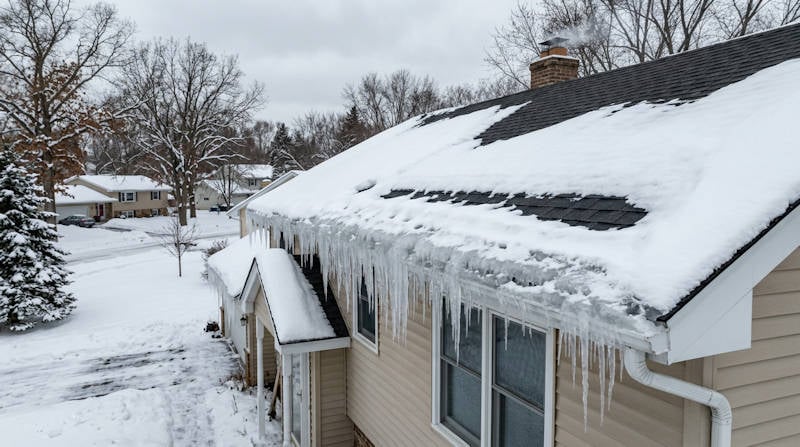
Ice dams usually show up on pitched roofs after snow starts melting and refreezing at the edge. I also see them on flat roof buildings when overflow drains send water over the side and that discharge freezes up. Once the ice builds, water gets trapped behind it. From there, it can work its way into the roof system and leak into the building.
That’s where the real trouble starts. Ceiling damage, wet insulation, stained walls, ruined inventory, and slippery entry areas can all follow if the water has nowhere to drain.
Ice Dam Removal on Commercial Property
Removing ice dams takes some care. I don’t treat it like a chopping job, because that’s how roofs get torn up. Hacking at ice with shovels, bars, or other tools can damage roofing material, flashing, and drain areas fast. I’ve seen more harm done by rough removal than by the ice itself.
I remove ice dams using hot water at low pressure. That lets me melt the ice down without beating up the roof or wall surface. It’s a slower method than smashing at it, but it’s the right one. The goal is to open the drainage path and get rid of the dam without creating a repair bill in the process.
Why Ice Dams Need Attention
Once water starts pooling behind an ice dam, it doesn’t just sit there harmlessly. It looks for a way in. On commercial buildings, that can mean leaks into offices, hallways, storage areas, or tenant spaces. In winter, those leaks also tend to show up at the worst time, usually during a thaw or after another round of snow.
A lot of property owners wait too long because the ice is visible but the water damage isn’t. By the time stains show up indoors, the roof has already been taking on water.
Preventing Ice Dams
One of the better ways to prevent ice dams is heat tape installed along lower roof sections or around overflow drains. I’ve found that this helps keep problem areas open so snow and meltwater don’t keep freezing in the same spot.
The heat tape runs at low temperatures and helps stop snow accumulation from building into a solid blockage. It’s especially useful in areas where drainage is already slow or where roof edges tend to freeze first.
Common Problems I See
The biggest mistake is trying to break the ice loose by force. That can damage the roof membrane, loosen components, and turn a drainage problem into a roof repair. Another common issue is ignoring overflow drain areas until they’re fully frozen over. Once that happens, water has fewer places to go, and the risk of interior leakage goes up.
Timing matters too. If the dam is dealt with early, the job is usually more straightforward. If it’s been building for days or weeks, removal takes longer and the chance of hidden water intrusion is higher.
If you run a restaurant or commercial kitchen, grease is part of the job. It shows up every day during prep, cooking, cleanup, and dishwashing. The problem starts when that grease cools down inside the drain line. Once it thickens and sticks to the pipe walls, it starts catching food scraps and sludge. That’s when slow drains turn into backups, and backups turn into expensive messes.
I’ve seen plenty of kitchens assume the trap is handling everything just because nothing is overflowing yet. That’s usually how trouble builds. Quietly.
What a Grease Trap Actually Does
A grease trap is there to slow wastewater down long enough for fats, oils, and grease to separate before they move farther into the sewer line. The heavier solids settle to the bottom. The grease floats to the top. The water in the middle keeps moving.
That helps, but it doesn’t mean the system is foolproof. A grease trap is not a magic box. It reduces what gets into the drain system. It does not stop every bit of grease from getting through.
Some traps are small and sit under a sink. Others are larger and set in the ground outside. The right size depends on how much wastewater the kitchen produces. A busy kitchen pushing out a lot of greasy water needs a setup that matches the load. If the trap is too small, or if it isn’t cleaned often enough, grease starts getting past it faster than most owners realize.
Why Regular Pumping Matters
Grease traps need to be pumped on a routine schedule. That part isn’t optional.
A common rule is the 25 percent rule. Once the floating grease and settled solids take up more than 25 percent of the trap’s capacity, it’s time to have it pumped. Wait too long, and the trap stops doing its job well. At that point, grease and solids start moving downstream where they don’t belong.
Some restaurants need that done every week. Others can go a couple of months. It depends on the menu, the volume, the cleanup habits in the kitchen, and how much grease the operation produces day to day.
That’s why one restaurant can get by on a lighter schedule while another needs much more frequent service. Fried food, heavy pan washing, and poor scraping habits fill a trap fast.
Yellow Grease and Brown Grease
Not all grease waste is the same.
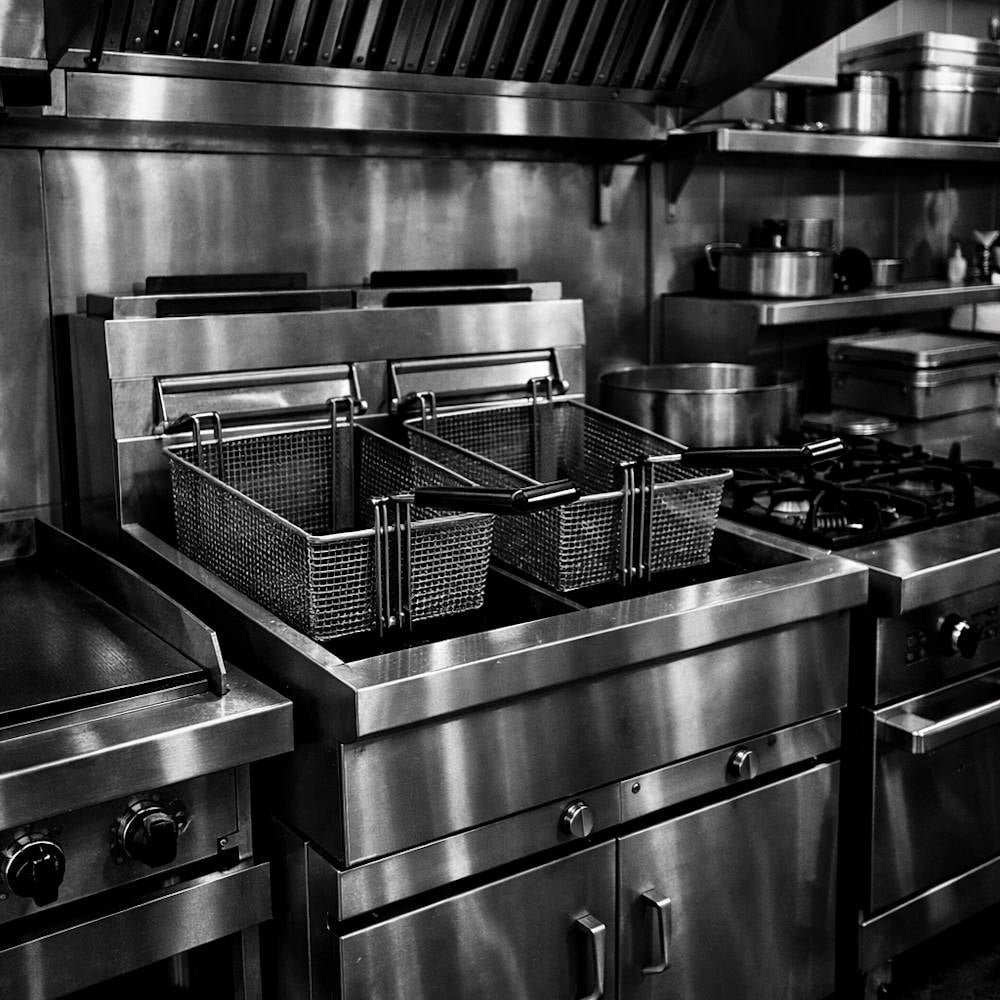
Yellow grease is used cooking oil, usually collected from fryers. This material can often be recycled and reused in other products. It has value when it’s handled properly and kept separate.
Brown grease is the foul stuff pulled from the grease trap. It’s mixed with food waste, water, sludge, and rotting organic material. There’s nothing reusable about it at that point. It has to be hauled off and disposed of properly.
That difference matters because some kitchen staff treat all grease waste the same, and that creates avoidable problems. Used fryer oil should go into the proper collection container. It should never be dumped into the drain system and left for the trap to deal with.
The Cost of Letting It Slide
Most owners don’t think much about grease management until the kitchen starts backing up during business hours. That’s when the real cost shows up.
A neglected grease trap can lead to slow drains, foul odors, emergency cleaning, lost kitchen time, and in some cases a full shutdown until the line is usable again. If wastewater starts coming back up in food prep or dish areas, the problem gets serious in a hurry.
And the bill usually isn’t just for cleaning the trap. It can include drain clearing, jetting, cleanup, and lost revenue while the kitchen is down. That’s the part that stings. Routine service is predictable. Emergency work usually isn’t.
Simple Habits That Help
The best grease control starts before anything reaches the sink.
Scrape plates and pans into the trash before washing them. Use drain screens to catch food scraps. Wipe greasy spills with absorbent material instead of spraying everything into the floor drain. Keep fryer oil separate and send it to recycling. Those are simple habits, but they make a real difference over time.
I’ve seen kitchens spend thousands dealing with drain problems that started with small daily shortcuts. A few extra seconds at the sink is a lot cheaper than a backed-up line on a Friday night.
What to Expect From a Healthy Routine
A good grease routine is usually pretty boring, and that’s the point. The trap gets checked. Pumping happens on time. Staff handles waste the right way. Drains keep flowing. Nobody’s standing in a kitchen wondering why the mop sink is bubbling during dinner rush.
That’s what most restaurant owners want: fewer surprises, fewer shutdowns, and fewer ugly repair bills.
Grease traps do an important job, but they only work if someone stays on top of them. Ignore them long enough, and the drain system will remind you. Usually at the worst possible time.
Drain disasters don’t stick to business hours. If you’ve ever woken up to a flooded basement, seen an ominous ceiling stain after a pipe burst, or watched your toilet water rise (and keep rising) you know: being prepared is everything.
At Drain King Inc., we handle emergencies 24/7 across Minneapolis and beyond, so we’ve seen it all. Here’s our handy, stress-busting action plan for what to do when things suddenly get wet — fast.
1. Stop the Water ASAP
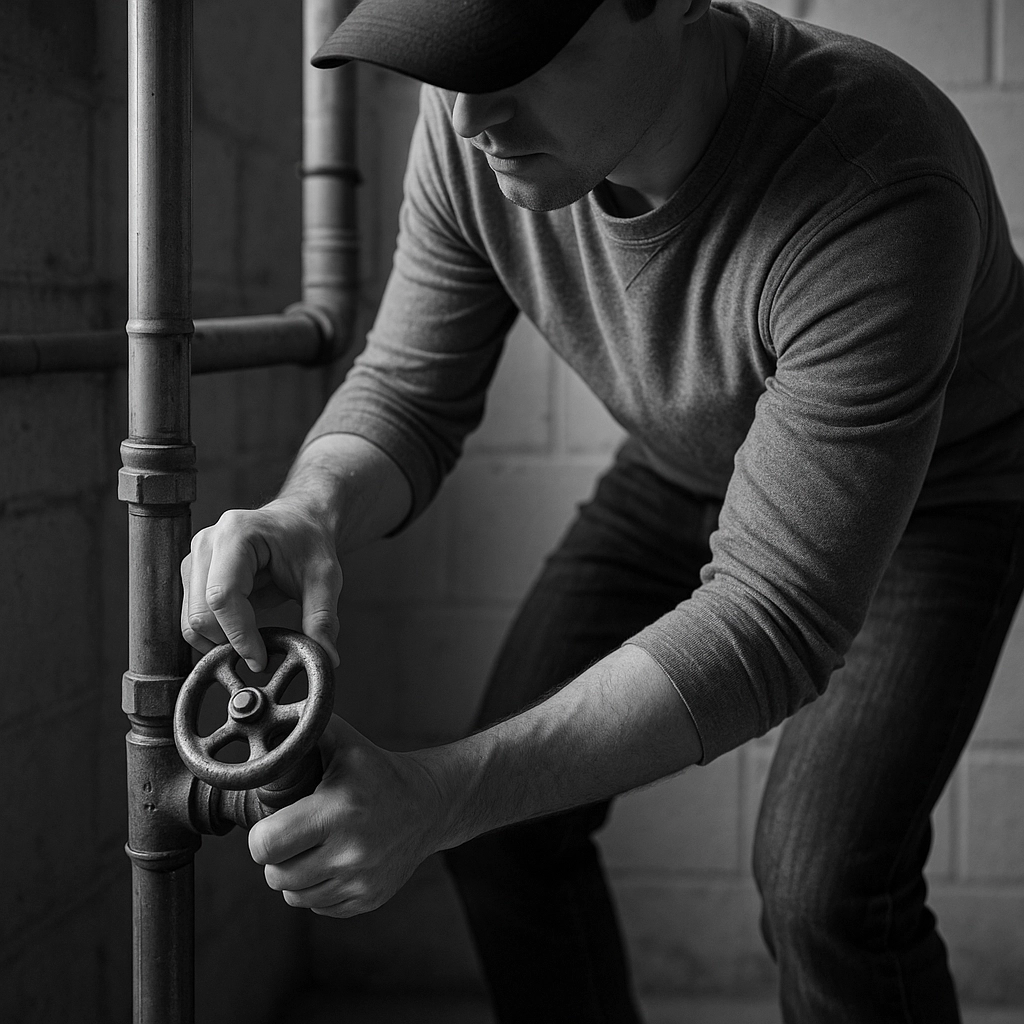
Your #1 move in a pipe emergency? Cut off the water supply immediately. This quick thinking can save thousands in damage.
Find the Main Shut-Off Valve: Usually where the main water line enters your home or building — sometimes in the basement, utility closet, or even outside.
Twist the valve clockwise to turn it off.
Shut the Fixture Valve (if possible): If the issue is isolated to a toilet, sink, or appliance, locate the small valve on the pipe leading to that fixture and shut it off.
Pro Tip: Can’t find the shut-off? Now’s the perfect time to check, label, and make sure everyone in your home or workplace knows where it is!
2. Contain & Redirect the Damage
Seconds count once water starts flowing somewhere it shouldn’t.
Move belongings: Quickly remove rugs, furniture, and personal items from the affected area, especially anything valuable or sentimental.
Create a barrier: Use towels, sheets, or whatever’s handy to block water from spreading.
Catch drips: Set out buckets or pans under ceiling leaks or pipe bursts.
If there’s lots of water, consider using a wet/dry vacuum — but only if it’s safe to do so and not near electrical hazards.
3. Shut Down Electricity IF Safe
Electricity and water don’t mix — ever. If water is pooling near outlets or appliances:
Locate your home’s breaker box and flip the breakers to any affected areas before wading in.
Never touch electrical devices while standing in water!
If you suspect major flooding, sewer backup, or unsafe conditions, it’s best to wait for professionals (like Drain King) or the fire department.
4. Assess the Situation (But Skip the DIY Repairs)
Take a moment to check how serious the issue is:
Common emergencies: Burst pipes, sewage backups, overflowing toilets, water heater failures, mysterious puddles or flooding.
Jot down what happened, where water is coming from, and how fast things are getting worse.
While you might be tempted to patch a leak or “MacGyver” a fix, resist the urge! Temporary band-aids (like plumber’s tape or rubber wraps) can buy time, but big repairs are best for licensed techs.
5. Document Everything
For both insurance claims and peace of mind:
Take photos/videos of the damage — the leak, affected walls/floors, and any possessions that get wet.
Keep receipts and notes on any emergency steps you take.
Sometimes your insurance company wants a clear “before” and “after.” Good documentation means faster, smoother claims.
6. Call for Professional Backup
Even if you’ve done everything right, most drain emergencies need fast, expert help. Now’s the time to contact a licensed plumber.
Call Drain King’s 24/7 Emergency Service: We have teams in the Minneapolis area ready to dispatch day or night. Reach us right away through our emergency service request form or call our main number (find it here).
Have these ready to share:
Your name, address, and a callback number
The issue (what, where, how long, how bad)
Whether water/electric are shut off
If anyone’s at risk (elderly, young children, etc.)
Why choose Drain King? We offer transparent pricing, true 24/7 response, and have some of the most experienced techs (plus the best drain-cleaning tools) in the Twin Cities.
7. Get Guidance While You Wait
You aren’t alone! When you call us, our technician will walk you through additional steps specific to your emergency:
Whether tap water is safe to drink
Should you keep drains open or closed
When it’s safe to re-enter an area
We may also advise contacting your utility provider, especially if gas or electrical systems are involved.
8. Plan Ahead (So Next Time Isn’t So Stressful)
Wish you’d been better prepared? Most people do — until it happens again! Here’s how to be proactive:
Make a plumbing emergency kit: Include large towels, a wrench for the shut-off valve, buckets, flashlight, gloves, and a list of emergency contacts.
Label your shut-off valves. Use bright tags or paint, and show everyone in the household (or all employees) where they are.
Schedule annual plumbing check-ups. Our routine maintenance services majorly reduce your risk for surprise disasters — especially old pipes, tree root blockages, or frozen lines.
Know your insurance policy: Be clear on what’s covered, and keep your insurer’s contact info handy.
Walk through true “worst case scenarios” with staff or family. Practice what steps to take, who grabs what, and where to meet if evacuation’s necessary.
9. Stay Safe — Every Time
Always remember: Your safety is the most important thing. If a situation seems dangerous (major flooding, fast leaks, risk of shock), evacuate and don’t try to handle it yourself.
If you ever feel overwhelmed or unsure, Drain King is here 24/7. No scary surprises, just clear advice and fast, skilled service when you need it most.
Bonus: Common Drain Emergencies and What to Remember
Burst pipe: Turn off water at main; open faucets to drain lines; catch leaking water.
Overflowing toilet: Turn off water behind toilet; use towels to contain spills; avoid flushing!
Sewer backup: Avoid all contact with water; keep kids and pets away; ventilate area if possible.
Water heater leak: Turn off cold-water supply; switch off power or gas to the unit.
Trusted 24/7 Emergency Drain Care in Minneapolis
With the right action plan, you can reduce stress, limit water damage, and keep your home or business safe.
Save this page, share it with friends and coworkers, and—if you need us—reach Drain King Inc. any time, day or night. We’re proud to be the Twin Cities’ go-to emergency plumbing solution.
What exactly would a plumbing emergency entail? We depend on our home’s plumbing system for several things, and it seems we might see every little problem as an emergency. A true emergency situation needs to be dealt with right away, such as a clog causing toilet contents to spill out on the floor. Normally, a toilet clog might be able to wait until morning, but not in this instance. You need to get a plumber there immediately. Situations that call for an emergency plumber are described below.
Backup of Sewer or Drain
Using a rooter on drains or sewers, no matter what size, is not always enough. Call an emergency plumber if this happens during off-business hours. Drain King’s plumbers have cameras that can navigate into basically any size pipe to reveal the reason for the blockage. After the problem is located, the plumber can make a spot repair, stopping the problem from growing bigger, while saving you money.
Repairing a Water Heater
If your water heater breaks during off-business hours, an emergency plumber should be contacted. When this happens, everyday activities are interrupted, such as washing dishes or clothes or taking a shower, and you need it fixed quickly. Many times when homeowners try repairing a water heater themselves, the problem is only made worse. In addition, there are dangers if the person repairing the water heater is not experienced.
Flooded Basement
A flooded basement can lead to a great deal of damage. Finding where the leak is coming from can be a challenge. To avoid further damage, contact our emergency plumbers immediately to find and repair the leak.
Clogged Toilet
Most times you can probably unclog your toilet yourself, but occasionally, no matter how hard you try, it remains clogged. There may be a foreign object or something else causing the blockage. Even if the toilet is not spilling over, you might not be able to wait until business hours if it is the only toilet in the house. Experienced emergency plumbers can get your toilet in working order.
Drain King’s emergency plumbers are available seven days a week, around the clock. They have the experience to find and repair any of your plumbing issues, no matter when you call.