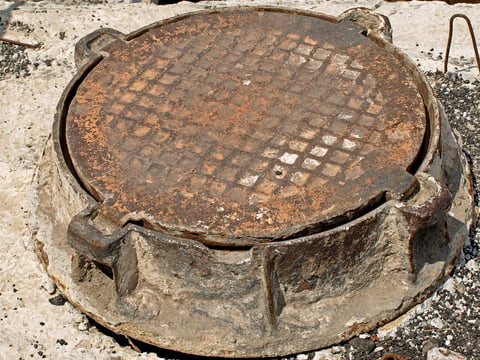
Winters in Minnesota are hard on parking ramps. Between the snow, slush, sand, and road salt, a lot of material gets tracked in by every vehicle that enters the building. It builds up fast, especially around drains and in sand traps. I’ve seen ramps look fine on the surface while the drainage system underneath is already packed with debris.
All that wet snow collecting around wheel wells and rims has to go somewhere once it melts. The answer is usually your ramp drains and sand traps. Over the course of a winter, those systems can take on a surprising amount of sand, salt, and dirty runoff.
Why Annual Cleaning Matters
I recommend parking ramp drain cleaning on a yearly basis because neglect gets expensive. Salt is especially rough on cast iron piping. Over time, it can eat away at the pipe from the inside out. What starts as buildup can turn into rot, leaks, backups, and eventually major repairs.
That kind of damage doesn’t stay contained for long. A failed drain line or deteriorated sand trap can lead to flooding, vehicle damage, shutdowns, and cleanup costs that are far higher than routine maintenance. In a busy ramp, even a short disruption can become a headache.
Sand traps have their own problems too. If they aren’t pumped often enough, the accumulated material and salt deposits can wear them down. Once a tank starts leaking, you’re not just dealing with replacement. You may also be dealing with contaminated cleanup, disposal requirements, and a much bigger bill than expected.
What Builds Up in Ramp Drains
The main issue is the combination of sand and salt. Sand settles and packs into the system. Salt sits in the moisture and keeps working on metal and concrete surfaces. That mix is tough on drains, tough on traps, and tough on anything that’s been ignored for too long.
A lot of property managers assume the spring thaw clears things out. It doesn’t. Meltwater may move some material, but the heavier debris stays behind. Year after year, it stacks up.
How I Clean Parking Ramp Drains
I use high pressure water jetting to break up and remove sand and salt deposits from parking ramp drains. It’s one of the most effective ways to clear heavy buildup and restore flow without guessing at what’s still sitting in the line.
The waste is pushed from the top of the ramp down to the bottom, where it can be collected and removed properly. After jetting, the remaining waste is pumped out of the tank. Liquid waste is disposed of at Met Council, and the sand is taken to a local landfill.
Low Clearance Ramps Are Not a Problem
Low clearance ramps can make routine maintenance harder, but they don’t have to stop the job from getting done. My vac trailer can access sand traps in most low clearance ramps, which makes it possible to clean and pump systems that other equipment may struggle to reach.
That matters more than people think. Some of the worst buildup happens in ramps where access is tight and maintenance gets delayed because it feels inconvenient.
What to Expect From Regular Service
A minimum of once per year is a good baseline for most parking ramps. In heavier-use properties, or in ramps that see a lot of winter traffic, more frequent service may make sense. The right schedule usually depends on traffic volume, how much sand and salt gets tracked in, and how quickly the trap fills.
Regular cleaning helps extend the life of your drains, protect the sand trap, and reduce the risk of backups, leaks, and avoidable repair costs. It’s simple maintenance, but it prevents the kind of problems that are anything but simple once they start.
Drain disasters don’t stick to business hours. If you’ve ever woken up to a flooded basement, seen an ominous ceiling stain after a pipe burst, or watched your toilet water rise (and keep rising) you know: being prepared is everything.
At Drain King Inc., we handle emergencies 24/7 across Minneapolis and beyond, so we’ve seen it all. Here’s our handy, stress-busting action plan for what to do when things suddenly get wet — fast.
1. Stop the Water ASAP
Your #1 move in a pipe emergency? Cut off the water supply immediately. This quick thinking can save thousands in damage.
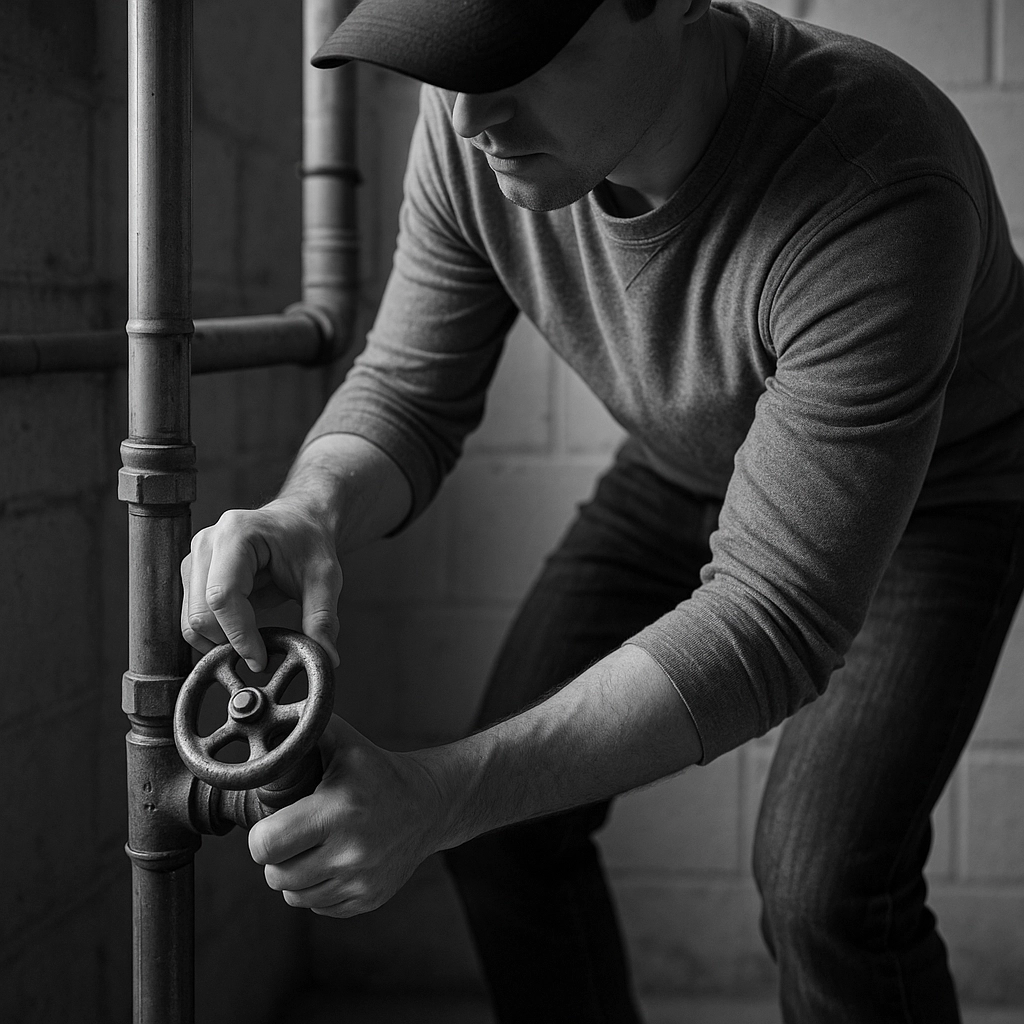
Find the Main Shut-Off Valve: Usually where the main water line enters your home or building — sometimes in the basement, utility closet, or even outside.
Twist the valve clockwise to turn it off.
Shut the Fixture Valve (if possible): If the issue is isolated to a toilet, sink, or appliance, locate the small valve on the pipe leading to that fixture and shut it off.
Pro Tip: Can’t find the shut-off? Now’s the perfect time to check, label, and make sure everyone in your home or workplace knows where it is!
2. Contain & Redirect the Damage
Seconds count once water starts flowing somewhere it shouldn’t.
Move belongings: Quickly remove rugs, furniture, and personal items from the affected area, especially anything valuable or sentimental.
Create a barrier: Use towels, sheets, or whatever’s handy to block water from spreading.
Catch drips: Set out buckets or pans under ceiling leaks or pipe bursts.
If there’s lots of water, consider using a wet/dry vacuum — but only if it’s safe to do so and not near electrical hazards.
3. Shut Down Electricity IF Safe
Electricity and water don’t mix — ever. If water is pooling near outlets or appliances:
Locate your home’s breaker box and flip the breakers to any affected areas before wading in.
Never touch electrical devices while standing in water!
If you suspect major flooding, sewer backup, or unsafe conditions, it’s best to wait for professionals (like Drain King) or the fire department.
4. Assess the Situation (But Skip the DIY Repairs)
Take a moment to check how serious the issue is:
Common emergencies: Burst pipes, sewage backups, overflowing toilets, water heater failures, mysterious puddles or flooding.
Jot down what happened, where water is coming from, and how fast things are getting worse.
While you might be tempted to patch a leak or “MacGyver” a fix, resist the urge! Temporary band-aids (like technician’s tape or rubber wraps) can buy time, but big repairs are best for licensed techs.
5. Document Everything
For both insurance claims and peace of mind:
Take photos/videos of the damage — the leak, affected walls/floors, and any possessions that get wet.
Keep receipts and notes on any emergency steps you take.
Sometimes your insurance company wants a clear “before” and “after.” Good documentation means faster, smoother claims.
6. Call for Professional Backup
Even if you’ve done everything right, most drain emergencies need fast, expert help. Now’s the time to contact a licensed technician.
Call Drain King’s 24/7 Emergency Service: We have teams in the Minneapolis area ready to dispatch day or night. Reach us right away through our emergency service request form or call our main number (find it here).
Have these ready to share:
Your name, address, and a callback number
The issue (what, where, how long, how bad)
Whether water/electric are shut off
If anyone’s at risk (elderly, young children, etc.)
Why choose Drain King? We offer transparent pricing, true 24/7 response, and have some of the most experienced techs (plus the best drain-cleaning tools) in the Twin Cities.
7. Get Guidance While You Wait
You aren’t alone! When you call us, our technician will walk you through additional steps specific to your emergency:
Whether tap water is safe to drink
Should you keep drains open or closed
When it’s safe to re-enter an area
We may also advise contacting your utility provider, especially if gas or electrical systems are involved.
8. Plan Ahead (So Next Time Isn’t So Stressful)
Wish you’d been better prepared? Most people do — until it happens again! Here’s how to be proactive:
Make a drain service emergency kit: Include large towels, a wrench for the shut-off valve, buckets, flashlight, gloves, and a list of emergency contacts.
Label your shut-off valves. Use bright tags or paint, and show everyone in the household (or all employees) where they are.
Schedule annual drain service check-ups. Our routine maintenance services majorly reduce your risk for surprise disasters — especially old pipes, tree root blockages, or frozen lines.
Know your insurance policy: Be clear on what’s covered, and keep your insurer’s contact info handy.
Walk through true “worst case scenarios” with staff or family. Practice what steps to take, who grabs what, and where to meet if evacuation’s necessary.
9. Stay Safe — Every Time
Always remember: Your safety is the most important thing. If a situation seems dangerous (major flooding, fast leaks, risk of shock), evacuate and don’t try to handle it yourself.
If you ever feel overwhelmed or unsure, Drain King is here 24/7. No scary surprises, just clear advice and fast, skilled service when you need it most.
Bonus: Common Drain Emergencies and What to Remember
Burst pipe: Turn off water at main; open faucets to drain lines; catch leaking water.
Overflowing toilet: Turn off water behind toilet; use towels to contain spills; avoid flushing!
Sewer backup: Avoid all contact with water; keep kids and pets away; ventilate area if possible.
Water heater leak: Turn off cold-water supply; switch off power or gas to the unit.
Trusted 24/7 Emergency Drain Care in Minneapolis
With the right action plan, you can reduce stress, limit water damage, and keep your home or business safe.
Save this page, share it with friends and coworkers, and—if you need us—reach Drain King Inc. any time, day or night. We’re proud to be the Twin Cities’ go-to emergency drain service solution.
Have you ever walked into a public restroom or a restroom in an office building and been hit with a strong, unpleasant odor? This may be the result of a dirty or clogged floor drain. Floor drains are found in many places like commercial restrooms and industrial spaces, near and around water heaters, in basements, kitchens, or laundry rooms.
The floor drain captures overflow water from sinks, toilets, tubs, rain, and any other pipe in your home, and then directs it safely to a sewer or municipal storm drain, so floors stay dry and rooms do not flood.
If you have floor drains in your home or business and you smell something bad coming from them, it’s typically because the traps have dried out. Floor drains have a U-shaped or P-trap pipe, just like your bathroom sink drain. The U-shaped pipe is designed to hold water that stands in the pipe and prevents sewer gases from coming up through the drain. If you smell sewer gas, fill the drain with a five-gallon bucket of water. This will seal off sewer gases and also let you see if the drain is working properly.
Floor drains become clogged just like any other drain, even more often because they’re on the floor where dirt collects. If your floor drain is clogged or slow, take steps to remove the clog. Use a drain auger or snake to see if you can reach the clog. Floor drains are often connected to longer pipes, so if you are still having problems, please call our professionals at Drain King. We can unclog and, if needed, clean out the pipe.
Sewer clogs are a very serious drain service problem. In most cases, the water comes back into the household drain service creating a bigger problem. In some cases, one may not be aware of a sewer problem. Regular scheduled sewer maintenance, performed by a professional technician, will help eliminate sewer clogs. Typically, many pipes and drains in different parts of the house can be connected in multiple places. Problems in one area can affect the other. Therefore, in cases of sewer clogs, you would need the expertise of professional technicians to assess and repairs these clogs.
A professional and reliable drain service company or technician should have experience clearing shower drains, stairwell drains, laundry drains, flood drain clogs, to name a few. They should also have the proper large tools, equipment or machinery for clearing said sewers, no matter how long the sewers are. They should also have the ability to clean sewers or downspouts penetrated by roots or other such blockades.
A full sewer inspection must be able to determine the cause of the clogs, preferably a video inspection, in the case of main sewer cleaning, to accurately locate the problem. Provide you with detailed precautions to take, in order to avoid a future clogged sewer. A 90 day-1 year rodding guarantee on the sewers. They must also ensure to wear/use protective equipment while working, so as to not dirty the indoors. Most importantly, use proper, state of-the-art equipment so as to be cost effective. Based on the type of drain and severity of the clog/backup, several different heavy-duty commercial grade cables/snake machines, video camera inspections and high pressure jetting, etc. can be employed. A professional or expert will not only use one of these techniques effectively, but should also be able to ensure that the problem is handled for good.
Here at Drain King, we are not only a professional company that will provide you with the above benefits but you can rely on. We are clean, honest, and dependable. We have fast response times and can fix your problem in the shortest time possible. Consider calling our experts for your next sewer cleaning.
Sewers and drains are important parts of a building structure. While drains are easier to maintain and clean, sewers require more time and money when they clog. Sewers are installed deep underground, so most likely, you will not think of them unless they have become a problem.
What are the Signs of a Clogged Sewer?
Toilets –Typically, toilets are designed to flow into the most direct path to the sewer, so if there is a problem in your sewer pipes, you will probably encounter difficulties in flushing them. Water backing up when flushing is a sure sign of a sewer problem. The flushed water cannot go down the drain when the sewer pipes are clogged.
Kitchen Sink/Tub Drain–If you run water in the sink or bathtub and can see bubbles or the water is draining slowly, chances are your drains or sewers are clogged.
Nasty Smell–Collected water from overflowing, hidden drains emits a foul odor. Sometimes, you will first notice the odor before you even realize you have a sewer problem.
Common Causes of Clogged Sewers and Drains
Collapsed/Broken Sewer Lines
Collapsed or broken sewer lines can cause blockage. Sewer lines break due to old age, presence of large roots, structural settings, and soil movement. Our drain service professionals can discover the cause by inserting a rodding machine or inspection camera along the sewer lines.
Grease/Oil Deposits
Grease and oil deposits are the most common cause of blocked sewer lines. Some people believe that it is okay to pour greasy substance down the sink or toilet as long as you follow it up with hot water. While grease flows into the sewer lines as liquid, it will solidify as it cools down, causing blockage over time.
Hair
Blocked drains in the bathroom or tub are usually caused by fallen hairs. Hairs sit in the pipes and accumulate over time, blocking the flow of water. As preventive maintenance, you can use a filter that will trap fallen hair particles before they enter the drain system.
Bath Salts
Bath salts have become popular and are widely used, but these products do not dissolve. When they go down the drain, they will accumulate and cause problems.
Improper Wastes
Sanitary sewer lines are specifically fabricated to accept human wastes. Other items such as paper towels, feminine sanitary pads, condoms, diapers, baby wipes, dental floss, and solid food particles can cause blockage when flushed down the toilet or sink. Foods such as rice and pasta expand as they absorb water from the pipes and may cause blockage.
As a property owner, you will experience clogs or sewer blockage at some point in time. When this happens, it is recommended that you call on experts like Drain King who have the skills and experience to solve the worst drainage and sewer problems. You might be tempted to fix the problem yourself, but improper handling of store-bought cleaning products may cause more harm than good. Some can even damage your esophagus when inhaled.
Things happen and drains get clogged, usually it is nobody’s fault. Pipes also have a tendency to clog more frequently when they are not used regularly, using a pipe only occasionally will allow the contents to settle and sometimes will create a clog. Pipes aren’t normally blocked with frequent use, as they are designed to handle high volumes. There are periods when they will slow to the point that water can hardly go through.
What should you do when this happens? When your pipes get clogged, employ a drain-cleaning technician quick! Yes, there are DIY solutions you can try before contacting a professional, but why risk making a costly mistake?
There are items that can be used as a fast fix, but the remedy they offer is generally short-term. You can reduce the blockage, but there’s still a chance you’ll experience it again. This is why it’s better to call in a drain-cleaning technician get rid of the obstructions completely. Aside from eliminating the clog, a professional technician will also make sure that the pipes are in good working order.
You don’t have to fear spending more than what you would would likely spend on home remedies; the price is really worth it. One big benefit of asking a professional to empty your pipes is having the right resources to do it securely and mess-free. How many times have you seen DIY block elimination gone badly? You simply can’t risk damaging other items in your kitchen due to poor cleaning techniques. Drain Service technicians are prepared to deal with these circumstances, so it’s always a good idea to rely on a professional.