Restaurant Grease Do’s and Dont’s.

“Insanity is repeating the same thing over and over and expecting the results to be different.” That quote fits restaurant grease problems better than most owners want to admit.

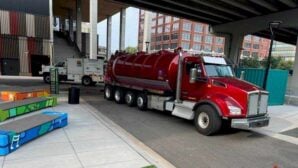
I recently had a restaurant owner upset about the cost of clearing a main line packed with grease. The job took four hours. I had to use a 4,000 PSI jetter running at 18 gallons per minute, plus a vacuum truck so the store wouldn’t flood while I worked. He told me he’d managed restaurants for 20 years and had never paid that much to have grease cleaned from the lines.

What I told him was simple: he had just paid about what a year of routine maintenance would have cost. That’s the part a lot of people miss. Emergency grease clearing is almost always more expensive, more disruptive, and a lot more stressful than staying ahead of the problem.

Why Restaurant Grease Keeps Causing Trouble

A lot of owners assume that if they have a grease trap, they’re covered. They’re not.

A grease trap is not designed to stop 100% of grease from entering the building sewer. Under normal conditions, a properly working trap may stop around 85% of the grease. That still leaves the remaining grease moving downstream into the restaurant’s drain lines. Over time, that buildup hardens, narrows the pipe, and eventually causes a blockage.

That’s why a place can seem fine for months. No backup on the floor. No issue in the restrooms. No warning signs anyone takes seriously. Then one busy day, the line stops taking flow and everything turns into an emergency.

What It Really Costs

The clearing bill is only part of it.

When a restaurant can’t open, revenue stops immediately. Staff still show up. Food is already in the building. Customers leave. Some come back later. Some don’t. If there’s a strong grease backup smell in the dining area or restrooms, that can do more damage than owners realize. People remember that.

I’ve seen businesses focus on avoiding a maintenance invoice, then end up paying far more for emergency drain service, cleanup, downtime, and lost customer trust.

Do: Schedule Routine Grease Maintenance

If a restaurant has a history of grease buildup, routine maintenance isn’t optional. It’s part of operating the kitchen.

For many restaurants, service 2 to 4 times a year is enough to stay ahead of trouble. Some need monthly attention, especially high-volume kitchens, places with heavy frying, or older drain systems that don’t give much room for buildup.

The right schedule depends on what goes down the line, how busy the kitchen is, and how the system has behaved in the past.

Do: Empty the Grease Trap Regularly

At a minimum, the grease trap should be emptied quarterly. In many restaurants, that’s just the starting point.

If the trap is undersized, poorly maintained, or seeing more grease than it was built to handle, quarterly service may not be enough. A neglected trap doesn’t just smell bad. It stops separating grease the way it should, and that pushes more grease into the drain line.

Do: Recycle Cooking Oil

Used cooking oil should be collected and recycled properly, not washed into the drain system.

This sounds obvious, but it’s still one of the most common mistakes in commercial kitchens. Even small amounts add up fast, especially when mixed with food solids and soap. What goes down hot often cools and sticks farther down the line where no one sees it building.

Don’t: Assume No Backup Means No Problem

This is one of the biggest mistakes I run into.

Just because nothing is coming up on the floor today doesn’t mean the line is clear. Grease buildup happens gradually. The pipe diameter gets smaller and smaller until flow slows down enough to cause a stoppage. By the time the symptoms are obvious, the line is often heavily restricted and much harder to clean.

Don’t: Rely on the Grease Trap to Catch Everything

A grease trap helps. It does not solve the whole problem.

If the kitchen is producing grease every day, some of it is getting past the trap. That’s normal. The issue is what happens over time when no one accounts for that remaining grease in the building sewer.

Don’t: Keep Repeating the Same Mistakes

If a restaurant has already had one major grease blockage, that’s the warning.

Paying for the same emergency again and again usually means the real issue hasn’t been addressed. The answer is usually not another last-minute clearing. It’s a maintenance plan that matches the kitchen’s actual grease load.

That’s the difference between reacting to a problem and preventing one.

What Restaurant Owners Should Expect

If a main line is badly packed with grease, clearing it may take specialized equipment and time. In heavier cases, it can require high-pressure jetting and vacuum support to keep the area from flooding during service. That’s not overkill. That’s what it takes when grease has been allowed to build up long enough.

Owners are often surprised by the cost of that kind of work, but they’re usually comparing it to a simple cleaning, not a full-scale grease recovery job under active operating conditions.

The Bottom Line

Restaurant grease problems usually don’t start with one bad day. They build slowly through routine habits, missed maintenance, and the false sense that everything is fine because nothing is backing up yet.

The smart move is simple: recycle cooking oil, keep the grease trap maintained, and service the drain lines before they become a shutdown problem. That approach costs less, disrupts less, and keeps the restaurant open.

Slow Drains and Strange Smells? Signs Your Car Wash Sand Trap is Full

If you’re running a car wash, you know that your business literally lives and dies by its ability to move water. You’ve got high-pressure sprayers, chemical mixers, and conveyors all humming along, but none of that matters if the water has nowhere to go. At the heart of your facility's health is the sand trap: also known as a grit trap or sediment pit. It’s the unsung hero that keeps the mud, road salt, and debris from your customers' cars out of the municipal sewer lines.

However, because these traps are buried under heavy grates or concrete lids, they are often a case of "out of sight, out of mind": until they aren't. When a sand trap hits its limit, it doesn't just stop working; it starts causing a cascade of problems that can lead to emergency shutdowns, expensive repairs, and even legal headaches.

As part of the team here at Drain King Inc., we’ve seen it all. We want to help you spot the trouble before it turns into a disaster. Here are the most common signs that your car wash sand trap is full and needs professional attention immediately.

1. The Slow-Motion Wash: Slow Drains and Water Pooling

The most obvious sign that your sand trap is reaching its limit is slow drainage. In a high-volume car wash, water should disappear almost as quickly as it hits the floor. If you notice that water is lingering in the bays longer than usual or that "puddles" are starting to form during a wash cycle, it’s a clear signal that the sediment level is too high.

Think about how your trap works: it’s a two-chamber system designed to let solids settle at the bottom while cleaner water flows out the top. When the bottom of that tank is packed with three feet of sludge and sand, there’s simply no volume left for the water. The system gets restricted, and the water starts to stack up in your trench drains.

If you find your staff having to squeegee water toward the drains more than usual, don't ignore it. Once the water starts backing up, it’s only a matter of time before the entire system stalls. Catching this early is key to staying open during your busiest hours.

Close-up of a wet concrete floor with a metal drainage grate, often found in car wash sand trap areas where slow drains or strange smells can be an issue.

2. That Unmistakable "Eau de Sewer" Odor

Car washes aren't exactly known for smelling like a field of lilacs: usually, it’s a mix of soap, wax, and wet metal. However, a persistent, unpleasant odor coming from your drains is a major red flag.

While the sand trap is designed to catch grit, it also catches organic material, oils, and grease. When the trap is full or the water becomes stagnant because it’s not moving through the system properly, that organic gunk starts to break down. This creates a "rotten egg" smell or a heavy, swampy odor that can drift into your equipment rooms and, worse, your customer-facing areas.

If your customers are wrinkling their noses as they pull into a bay, it’s a sign that the bacterial load in your trap is out of control. A thorough cleaning from a commercial drain cleaning specialist can flush out those odors and get your bays smelling fresh (or at least like soap again).

3. The Visual "Danger Zone" Check

Sometimes, the best way to know if you're in trouble is to just take a look. You don’t need to be a drain service expert to spot a problem. If you can safely lift a grate or a lid, look for thick layers of mud or debris near the top of the trap itself.

In a healthy trap, you should see water with a relatively clear path to the crossover or outgoing pipes. If you see sediment piling up so high it’s visible just beneath the water’s surface, or if the water looks extra murky and thick, you’re definitely in the "danger zone."

Don’t wait for the water to stop moving entirely. If you see sludge building up near the outlet pipe, it means that grit is likely already washing into your secondary lines. This is where winter drain problems often start, as sand and salt from the road settle in pipes and freeze or compact during the colder months in the Twin Cities.

4. Frequent Backups and Overflows

If you’ve reached the point where water is actually bubbling back up out of floor drains or seeping out from under the sand trap lids, you are in a "code red" situation. This usually means one of two things:

  1. The crossover pipe is blocked: The first chamber is overflowing, but the second one looks okay.
  2. The outgoing pipe is blocked: Both chambers are high, and the system is totally backed up.

This isn't just a nuisance; it’s a liability. Overflows can lead to slippery surfaces for customers and can even damage your expensive wash equipment. When a backup occurs, the pressure can force sand into parts of your plumbing that were never meant to handle it. This often requires a specialized drain jetting service to clear the lines completely.

Why Regular Pumping is Your Best Insurance Policy

I always tell our clients that sand trap pumping is the ultimate insurance policy for their car wash. Running a wash is all about volume, and every car that passes through leaves behind a little bit of the road.

By scheduling regular maintenance, you’re essentially "cleaning the filter" of your entire operation. It’s a lot cheaper and less stressful to have a scheduled pump-out every few months than it is to lose a full day of revenue on a busy Saturday because your drainage system finally gave up. We work with owners across the cities we serve to find a schedule that fits their specific car count, ensuring they never have to deal with the headache of a mid-day backup.

Drain King Inc truck performing grease trap pumping service in Minneapolis MN
Drain King Inc crews providing commercial grease trap pumping service across Minneapolis and the Twin Cities metro.

Protecting Your Main Sewer Lines

Your sand trap is the first line of defense for your entire property's plumbing. Its job is to catch the heavy stuff so it doesn't travel further down the line. When a trap is neglected and fills up, that sand and grit starts washing into your main sewer lateral: the pipe that connects your building to the city's main.

Grit is incredibly abrasive and heavy. Unlike soft clogs, it doesn't just wash away with a little extra water pressure. Once it settles in your main lines, it becomes a solid mass that is much harder (and more expensive) to remove. Protecting those pipes from the start is much easier on your budget.

At Drain King Inc., we take a "trap-to-street" view of your system. When we service your sand traps, we’re also looking out for the health of your main lines. Preventing grit from ever entering your primary sewer pipes is the best way to avoid the massive repair bills that come with long-term sediment damage.

Staying Compliant and Avoiding Fines

In the Twin Cities and surrounding areas, there are strict environmental regulations regarding how car wash waste is handled. Sand traps are designed to catch heavy solids and oily residue before they enter the municipal sewer system. If you let your trap overflow, those contaminants head straight for the city pipes.

Cities don't take kindly to sand in their sewers. If an inspector finds that your car wash is the source of a grit buildup in the municipal line, you can face major environmental violations and some very expensive fines.

Proper disposal is just as important as the cleaning itself. When we pump your sand trap, we don't just "make it go away": we ensure that all the sludge and wastewater are transported and disposed of according to all state and local guidelines. Keeping accurate records of your maintenance and disposal is your best defense if an authority ever comes knocking. We handle the dirty work so you can stay on the right side of the law.

A worker operates a large vacuum hose connected to a truck, cleaning out a manhole in a parking lot near retail stores—helping prevent slow drains and strange smells caused by debris buildup.

How Often Should You Clean Your Trap?

There’s no one-size-fits-all answer, but here’s a general rule of thumb for most car washes:

  • Typical Car Wash: Every 1–3 months.
  • High-Volume Locations: Possibly every month, especially during the winter when road salt and sand are at their peak.
  • Self-Serve Bays: These often collect more heavy mud from trucks and off-road vehicles, so they may need more frequent visual checks.

If you’re not sure where your trap stands, it’s always better to be proactive. You can find more about how we diagnose these issues on our diagnostics and details page.

Final Thoughts for Car Wash Owners

Slow drains and strange smells are your car wash's way of telling you that it's struggling. Ignoring these signs doesn't just risk a messy afternoon: it risks your equipment, your reputation, and your bottom line.

Whether you’re dealing with a sudden backup or you just realized it’s been a year since your last pump-out, getting a professional drain service team on-site is the best way to keep the water moving. We’ve spent years helping Twin Cities business owners keep their drains clear and their businesses running smoothly.

If you're noticing any of the signs we talked about today, don't wait for the water to stop flowing. A little maintenance now goes a long way in preventing a total shutdown later. Keep those traps clean, and keep those cars rolling!

Why Restaurant Grease Recycling Matters: 3 Things Every Owner Should Know

Running a restaurant means dealing with a lot of grease and cooking oil every single day. If you're like most restaurant owners, you might see that used oil as just another waste product to get rid of. But here's the thing – that "waste" could actually be working for you instead of against you.

I've seen too many restaurant owners struggle with clogged drains, expensive emergency service calls, and hefty disposal fees, all because they didn't know about the benefits of proper grease recycling. After years in the drain service industry, I can tell you that the restaurants doing it right aren't just helping the environment – they're protecting their bottom line and avoiding major headaches down the road.

Let me share three things every restaurant owner should know about grease recycling that could change how you think about that used cooking oil.

Your Used Grease Can Actually Make You Money

This might sound too good to be true, but companies that specialize in grease recycling often pay restaurants for their used cooking oil. Instead of paying to have it hauled away as waste, you can turn it into a revenue stream. With Americans producing over 2.5 billion gallons of used cooking oil every year, there's a huge demand for this material.

The financial benefits go way beyond just getting paid for your oil, though. When you properly recycle grease instead of dumping it down drains, you're preventing some seriously expensive problems. I've responded to countless emergency calls where restaurants faced thousands of dollars in drain cleaning costs, kitchen shutdowns, and even health code violations – all because grease built up in their drain systems.

Think about it this way: when grease goes down your drains, it doesn't just disappear. It cools, hardens, and creates blockages that get worse over time. What starts as a slow drain becomes a complete backup, and suddenly you're dealing with water backing up into your kitchen during the dinner rush. The emergency drain service calls, the lost business, the cleanup costs – it all adds up fast.

Regular grease recycling combined with proper grease trap maintenance keeps your drain systems running smoothly. Some recycling programs even convert the oil into biofuel that can power delivery vehicles or equipment, creating additional cost savings over time.

You're Making a Real Environmental Impact

When you recycle grease properly, you're not just solving a disposal problem – you're contributing to a cleaner environment in ways you might not realize. That used cooking oil gets transformed into biodiesel, a renewable energy source that burns much cleaner than traditional fossil fuels.

The EPA has found that producing biofuel from waste grease results in an 86 percent reduction in greenhouse gases compared to regular fuel consumption. That's a massive environmental benefit coming directly from your kitchen waste. Your restaurant becomes part of the solution instead of part of the problem.

Here's what really impressed me: recycling prevents all that grease from ending up in landfills or, worse, in our water systems. When grease enters waterways, it creates environmental damage that affects entire communities. By recycling, you're preventing water pollution and reducing the strain on waste management systems.

Your customers notice these efforts too. More people are choosing to support businesses that demonstrate environmental responsibility. When you can tell customers that your restaurant recycles grease into clean-burning fuel, it becomes a point of pride and differentiation from competitors who haven't made this commitment.

The circular economy aspect is pretty cool too – your waste becomes someone else's valuable resource, supporting other industries and creating jobs in biodiesel production. It's environmental stewardship that makes business sense.

It Keeps You Compliant and Protects Your Operations

Local governments have gotten serious about how restaurants handle grease disposal, and the penalties for non-compliance can shut you down. Health code violations, hefty fines, and forced closures aren't just threats – they're realities I've seen happen to restaurant owners who didn't take grease management seriously.

Proper grease recycling keeps you on the right side of these regulations while protecting your drain systems from the kind of damage that creates major operational disruptions. When restaurants pour grease down sinks, it creates problems that go way beyond your own kitchen.

The grease hardens inside pipes, restricting water flow and creating unsanitary conditions. I've seen entire restaurant kitchens shut down because grease buildup led to sewer backups that contaminated food prep areas. The cleanup costs alone can be devastating, not to mention the lost revenue from being forced to close.

But it's not just about avoiding problems – it's about creating reliable operations. Restaurants with proper grease recycling programs and well-maintained grease traps don't experience the sudden drain emergencies that can ruin a busy night. Their kitchen systems work consistently, their staff can focus on food service instead of drain issues, and they build a reputation as clean, well-managed establishments.

The community benefits matter too. When your restaurant handles grease responsibly, you're supporting public infrastructure instead of straining it. Municipal drain systems stay cleaner, public transportation can use biodiesel fuel made from recycled restaurant oil, and you become known as a business that contributes positively to the community.

Making It Work for Your Restaurant

Setting up grease recycling is usually easier than restaurant owners expect. Most recycling companies handle the logistics – they provide containers, schedule regular pickups, and even handle the documentation you need for regulatory compliance.

The key is finding a recycling partner who understands restaurant operations and can work around your schedule. You want someone who shows up reliably, provides clean containers, and doesn't disrupt your service. Many programs also include grease trap cleaning services, so you can handle multiple maintenance needs with one relationship.

Regular maintenance becomes crucial for making the system work smoothly. Clean grease traps process waste more effectively, reducing odors and preventing backups that could force you to close. When recycling and trap maintenance work together, you get maximum protection for your drain systems while meeting all regulatory requirements.

Don't forget to train your staff on proper grease handling procedures. Everyone in the kitchen needs to understand why grease shouldn't go down drains and how to use recycling containers correctly. This training prevents accidents that could create expensive problems and helps maintain the system you've put in place.

Restaurant grease recycling isn't just about being environmentally responsible – though that's certainly important. It's about smart business management that protects your operations, reduces costs, and can even generate revenue.

The restaurants I work with that have embraced grease recycling consistently report fewer drain emergencies, lower maintenance costs, and better relationships with local health inspectors. They've turned what used to be a disposal expense into either a cost savings or actual income source.

Most importantly, they sleep better knowing their drain systems are protected from the kind of grease buildup that creates middle-of-the-night emergency calls. When you're running a restaurant, that peace of mind is worth a lot.

If you're still disposing of grease as waste, you're missing an opportunity to improve your operations while contributing to environmental sustainability. The programs are available, the benefits are real, and the setup is usually simpler than you'd expect.

Your used cooking oil has value – it's time to start capturing that value instead of paying to throw it away.

Sand Trap Maintenance – Annual Service Needs

Sand Trap
Flammable waste tank
Sand Trap

If you run (or manage) a parking garage, auto repair shop, service station, car wash, warehouse, or industrial facility, you’ve got a not-so-secret hero working under your floor: the sand trap. It’s not flashy, it’s not fun, and it definitely doesn’t get a thank-you card—until it overflows and suddenly everyone has opinions.

In the world of commercial services, a sand trap (also called a grit interceptor) is a critical tank designed to keep sand, silt, oil, and chemical-laced runoff from heading straight into the city sewer. Ignore it long enough and you’re not just dealing with a messy drain problem—you’re risking backups, fines, and a tank that wears out way sooner than it should.

Let’s get into what these traps do, where they show up, and why annual pump-outs are the simplest “set it and forget it” move you can make for your facility.

Where You’ll Find Sand Traps (a.k.a. The Usual Suspects)

Most sand traps are out of sight and easy to forget—until they’re full. I typically see them at:

  1. Parking Garages: Constant runoff, especially in winter. Road sand and salt add up fast.
  2. Auto Repair Shops & Service Bays: Oils, fluids, wash-down water, and debris are a daily thing.
  3. Commercial Car Washes: Mud and grit have to go somewhere, and it shouldn’t be your sewer line.
  4. Industrial & Warehouse Facilities: Floor drains + heavy use = a steady diet of sediment and solids.

If your building has floor drains and vehicle traffic, odds are good a sand trap is part of your drain system (even if nobody remembers where the lid is).

Annual Pumping: The Simple Rule That Prevents Expensive Problems

Here’s my “write it on the calendar” advice: pump your sand trap out at least once a year. Not “when it starts acting up.” Not “when someone complains.” Annually.

Why? Because sand traps are basically storage tanks for the stuff you don’t want in your lines. Once they reach capacity, the trap stops trapping. Sand and grit rush through, settle in your laterals, and start building a compacted, abrasive mess that’s far harder (and pricier) to remove later.

Regular routine maintenance keeps the system doing what it’s designed to do: protect your lines, protect the city sewer, and help you avoid emergency downtime.

Why This Matters to the City Sewer (and to Your Tank)

A full sand trap doesn’t just become your problem—it becomes the city’s problem. When oil, chemicals, and heavy solids escape into the municipal system, that can trigger compliance issues and very expensive conversations.

On your side of the line, there’s another big reason to stay ahead of it: sand is abrasive. Left sitting and swirling in the tank, grit can wear down the tank’s interior and stress connected piping over time. Annual pump-outs help prolong the life of the tank and reduce the chances of major repair or replacement.

In other words: keeping the trap clean is cheaper than rebuilding what a neglected trap destroys.

Signs Your Sand Trap Is Overdue (Yes, It Has a “Tell”)

Not sure when it was last serviced? Here are the usual hints:

  • Slow or gurgling floor drains: The system is struggling to move water.
  • Oil/chemical odors: The tank is holding more than it should, for longer than it should.
  • Standing water around drains: Backup behavior that doesn’t fix itself.
  • Visible sand/debris near the top: That’s the “we should’ve done this months ago” sign.

Minnesota Winter Makes Sand Traps Work Overtime

If you’re in the Minneapolis–St. Paul area, you already know winter is basically a grit delivery service. Road sand, salt, slush, and melting snowmelt all head toward your drains—and your sand trap has to catch it.

Getting a pump-out on the schedule (late fall or early spring is popular) helps keep drains moving when temperatures drop and runoff spikes. It’s one of those boring maintenance items that saves you from the very un-boring experience of a mid-winter backup.

Keep the Grit Where It Belongs

A sand trap is like a bouncer for your drain system: it’s there to stop the wrong stuff from getting in. But even the best bouncer needs a break once in a while.

Annual sand trap pumping protects the city sewer from oil and chemicals, helps your drains run cleaner, and can seriously extend the life of the tank. And if something goes sideways, I’m here with expert technicians and 24/7 service to get you back in business without the drama.

Keep your grit in the trap and your water in the pipes. Your facility (and the city sewer department) will thank you.

Diagnostics and Details of Plumbing Problems


Sink Drain
Sink Drain

At Drain King, we take great pride in our reliable, courteous, and highly qualified technicians. We use state-of-the-art equipment to correctly diagnose and repair whatever plumbing problem plagues you. We can detect and pinpoint a water- or sewer-line disruption at its exact location, and follow it up with an expert diagnostic solution, saving you considerable time, money, and frustration during the repair process.

While some of the most common household plumbing problems are easy and inexpensive fixes   (for example: low water pressure, slow drains, a running toilet, or a jammed garbage disposal), they may be masking larger problems that can't be fixed with a Google search and some basic tools. These advanced problems require more technical diagnoses and repairs. We can determine precisely where and why your pipes are leaking and present you with a detailed explanation of the expense and labor involved in fixing them. We can correctly install or service water heaters and softeners, helping you choose the appropriate size and efficiency for your household's needs. We can locate the cause of your sewer-line disruption and fix it quickly, without having to tear up your yard or street.

The biggest advantage to these thorough diagnostic tests and repair/installation details is that, with such comprehensive information, you can decide how you want to proceed with the repair process. We at Drain King want you to be so well-educated on your plumbing diagnosis that you can make pertinent decisions about resolving the issue. If you understand the what and the why, you can determine the how and the when.

One of the first things a Drain King technician will determine is whether the problem is with the plumbing or septic system, followed by the location of the trouble, whether inside or outside the building. The remainder of the repair steps vary with each diagnosis but could include snaking, water jetting, or thawing of pipes; inspecting and/or pumping the septic tank; televising and transmitting services; and below-ground line repair and excavation. We pride ourselves on our thorough and legitimate diagnostic reports. We won't add unnecessary repairs or expenses to your report details. Trust our plumbing experts to guide you through the repair process with honesty and experience.

Plumbing emergencies are never convenient. Dealing with them is a hassle no one has time for in today's busy world. You've got problems, and Drain King has solutions we guarantee in writing.

Lift Station Cleaning

Drain King Inc Water Jetting Truck

Lift stations are an integral part of a gravity-flow sewer system. As waste is discharged into the sewer lines, it flows downhill toward a sewer treatment plant. Ideally, all homes or developed properties would be built below the existing sewer line so gravity could do its job without help, but in reality, it just isn't possible. Lift stations allow properties to be developed further away from the city's main sewer line, but gives them the ability to connect to the existing sewer framework. A lift station is essentially an elevator for waste.

Two components make up a lift station: the wet well and the pump system. A wet well is a large, circular, underground holding tank (most commonly made of cement, but occasionally composed of steel or fiberglass) that waste drains into. After the sewage reaches a certain height in the well, a series of low-voltage floats triggers a pump, telling it when to turn on and when to stop pumping—once enough wastewater has been diverted to the main sewer line. (This process is similar to the float system used in the back of a toilet.)

If they are filled exclusively with "sanitary" waste, lift stations need very little maintenance. Problems arise when excessive grease and heavy debris find their way into the wet well. These FOG materials build up on pumps, chains, floats, and sidewalls, and will clog or damage the pump impellers, making it difficult to move waste through the sewer line. When left untreated, grease will form a solid layer across the top of the well, which prevents the lift station from pumping any waste to the main sewer line. This leads to an eventual wet-well overflow of raw sewage, which is difficult to contain and eliminate, not to mention dangerous to the environment.

The professional at Drain King begin a through lift-station cleaning by liquefying any solid grease so it is easier to pump out. We then pump out the well using a sanitary vacuum truck, and all of the floats, impellers, and well walls are pressure-washed and thoroughly cleaned. Any solid debris left on the bottom of the tank is removed. Then, we test the entire system to ensure each part is in good working condition. Because a wet well is considered a confined space, special labor-safety regulations are in place to make entry as safe as possible. Because of the potential hazards that can arise from a confined space, only specially trained workers should attempt to enter them. Drain King’s experts have received extensive instruction in confined-space protocols. We are a safe, reliable choice for all of your plumbing needs.