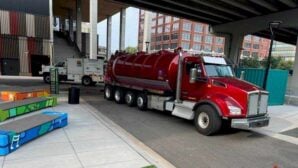
From Fryer to Fuel: What Happens to Restaurant Grease After Pickup

Used cooking oil doesn't just disappear once it's collected from a restaurant, and its next stop is more interesting than most kitchen staff probably realize. Instead of being treated as waste, that oil is a raw material for something else entirely.

Once collected, the oil is transported to a recycling facility where it goes through a filtering and refining process to remove food particles and impurities. From there, it can be converted into biodiesel, a renewable fuel that can be blended with or substituted for traditional diesel, along with other byproducts depending on the facility.

For a restaurant, that means grease that would otherwise be a liability, a source of clogged lines, sewer backups, and potential fines, becomes part of a supply chain that turns kitchen waste into usable fuel. It's a rare case where the compliant choice and the more sustainable choice are exactly the same one.

Two Different Jobs: Grease Trap Service and Grease Recycling

Behind the Scenes: What Car Wash Pit Pumping Actually Involves

A busy car wash moves a tremendous amount of water every day. But water isn’t the only thing going down the drain.

Every vehicle brings in road sand, grit, dirt, salt, oils, sediment, and other debris. Much of that material eventually settles into the car wash pits, collection traps, sand traps, interceptors, and holding tanks designed to keep it from moving farther into the drainage system.

Over time, those materials build up.

That’s where car wash pit pumping comes in.

At Drain King Inc., car wash pit pumping is more than simply lowering a hose into a pit and pumping out water. The goal is to remove the accumulated liquids, sludge, sand, grit, oils, and settled material so the system can continue doing its job.

What Builds Up in a Car Wash Pit?

Think about what comes off hundreds or even thousands of vehicles.

Road sand and grit
Mud and dirt
Road salt
Oil and automotive residue
Soap and chemical residue
Small debris
Heavy sediment and sludge

The heavier material settles toward the bottom of the pit while other materials may remain suspended or separate within the system.

If that material is never removed, the usable capacity of the pit gradually decreases.

A pit that was designed to hold a certain volume of wastewater may eventually have a significant portion of that space occupied by sludge and sediment.

What Happens During a Car Wash Pit Pumping Visit?

Every facility is different, but the process generally starts with accessing the pit or collection system and preparing the area for service.

Drain King uses commercial vacuum equipment designed to remove both liquid and accumulated material from pits, traps, and holding tanks.

The vacuum hose is positioned at the service opening and material is removed from the system. The technician is not simply removing standing water. The important material is often what has settled underneath it.

That can include layers of sand, grit, sludge, oils, and sediment that have collected since the previous service.

Depending on the design of the car wash and the scope of the service, there may be multiple pits, compartments, traps, or tanks that need attention.

Once the material has been removed, it is contained in the vacuum truck and transported away from the property for appropriate handling and disposal.

Why Not Just Pump Out the Water?

Because the water usually isn’t the real problem.

The heavy material sitting at the bottom is what gradually reduces the capacity of the pit.

Removing only the liquid while leaving heavy sediment behind would allow that buildup to continue.

Effective pit pumping focuses on removing the accumulated material that the system was designed to capture.

What Happens If a Car Wash Pit Gets Too Full?

A neglected pit doesn’t suddenly announce that it needs attention.

Problems often develop gradually.

Car wash owners and managers may begin noticing:

Slow drainage
Standing water
Unusual odors
More frequent drain problems
Sediment collecting where it shouldn’t
Reduced pit capacity
Drainage backups
Wash bay interruptions

Eventually, excessive buildup can interfere with normal operation and potentially create an unexpected service call.

For a high-volume car wash, downtime is more than an inconvenience. If vehicles cannot move through the wash because the drainage system isn’t keeping up, revenue can stop along with the conveyor.

How Often Should Car Wash Pits Be Pumped?

There isn’t one schedule that fits every car wash.

A high-volume tunnel wash may accumulate material much faster than a smaller facility. Seasonal conditions can also make a difference. Minnesota vehicles bring plenty of sand, salt, snow, mud, and winter road debris into a wash facility.

The right maintenance interval depends on factors such as:

Vehicle volume
Pit capacity
Number and design of collection pits
Amount of sand and sediment entering the system
Seasonal conditions
Previous maintenance history
How quickly material accumulates between services

Rather than waiting for a drainage problem, car wash operators can establish a regular maintenance schedule based on how their specific system performs.

Scheduled Pit Pumping vs. Emergency Service

There is an important difference between scheduling pit pumping and calling after the system has already become a problem.

Scheduled maintenance allows the work to be planned around the operation of the car wash.

An emergency can mean responding after drainage has slowed, a pit has reached capacity, odors have developed, or normal operations have already been affected.

For many commercial facilities, predictable maintenance is much easier to manage than unpredictable downtime.

What Should Be Documented?

Keeping records of car wash pit service can help owners and facility managers understand how quickly material is accumulating and when the next service should be scheduled.

Depending on the service performed, documentation may include the date of service, areas serviced, material removed, observations made during the visit, and recommendations for future maintenance.

Over time, those records can help establish a maintenance schedule that fits the actual needs of the facility rather than simply guessing.

More Than Just Pit Pumping

Car wash drainage systems may involve more than one component.

Depending on the facility, Drain King can also assist with services involving:

Car wash sand traps
Oil/water separators
Stormwater systems
Storm sewer jetting and pumping
Drain cleaning
Water jetting
Sewer inspection
Commercial drain maintenance

Looking at the entire drainage system can help identify where material is accumulating and where additional maintenance may be needed.

Keep the Wash Moving

Customers see clean cars coming out of the building.

They usually never see the drainage system underneath it that makes thousands of wash cycles possible.

Keeping those pits, traps, and drainage systems maintained is part of keeping the entire operation moving.

Drain King Inc. provides car wash pit pumping and commercial drain services for car wash facilities throughout Minneapolis, St. Paul, the Twin Cities metro, and greater Minnesota.

If you operate or manage a car wash and aren’t sure when your pits were last serviced, call Drain King at 763-786-3000 to discuss your facility and maintenance needs.


Why Restaurant Grease Recycling Matters: 3 Things Every Owner Should Know

Running a restaurant means dealing with a lot of grease and cooking oil every single day. If you're like most restaurant owners, you might see that used oil as just another waste product to get rid of. But here's the thing – that "waste" could actually be working for you instead of against you.

I've seen too many restaurant owners struggle with clogged drains, expensive emergency service calls, and hefty disposal fees, all because they didn't know about the benefits of proper grease recycling. After years in the drain service industry, I can tell you that the restaurants doing it right aren't just helping the environment – they're protecting their bottom line and avoiding major headaches down the road.

Let me share three things every restaurant owner should know about grease recycling that could change how you think about that used cooking oil.

Your Used Grease Can Actually Make You Money

This might sound too good to be true, but companies that specialize in grease recycling often pay restaurants for their used cooking oil. Instead of paying to have it hauled away as waste, you can turn it into a revenue stream. With Americans producing over 2.5 billion gallons of used cooking oil every year, there's a huge demand for this material.

The financial benefits go way beyond just getting paid for your oil, though. When you properly recycle grease instead of dumping it down drains, you're preventing some seriously expensive problems. I've responded to countless emergency calls where restaurants faced thousands of dollars in drain cleaning costs, kitchen shutdowns, and even health code violations – all because grease built up in their drain systems.

Think about it this way: when grease goes down your drains, it doesn't just disappear. It cools, hardens, and creates blockages that get worse over time. What starts as a slow drain becomes a complete backup, and suddenly you're dealing with water backing up into your kitchen during the dinner rush. The emergency drain service calls, the lost business, the cleanup costs – it all adds up fast.

Regular grease recycling combined with proper grease trap maintenance keeps your drain systems running smoothly. Some recycling programs even convert the oil into biofuel that can power delivery vehicles or equipment, creating additional cost savings over time.

You're Making a Real Environmental Impact

When you recycle grease properly, you're not just solving a disposal problem – you're contributing to a cleaner environment in ways you might not realize. That used cooking oil gets transformed into biodiesel, a renewable energy source that burns much cleaner than traditional fossil fuels.

The EPA has found that producing biofuel from waste grease results in an 86 percent reduction in greenhouse gases compared to regular fuel consumption. That's a massive environmental benefit coming directly from your kitchen waste. Your restaurant becomes part of the solution instead of part of the problem.

Here's what really impressed me: recycling prevents all that grease from ending up in landfills or, worse, in our water systems. When grease enters waterways, it creates environmental damage that affects entire communities. By recycling, you're preventing water pollution and reducing the strain on waste management systems.

Your customers notice these efforts too. More people are choosing to support businesses that demonstrate environmental responsibility. When you can tell customers that your restaurant recycles grease into clean-burning fuel, it becomes a point of pride and differentiation from competitors who haven't made this commitment.

The circular economy aspect is pretty cool too – your waste becomes someone else's valuable resource, supporting other industries and creating jobs in biodiesel production. It's environmental stewardship that makes business sense.

It Keeps You Compliant and Protects Your Operations

Local governments have gotten serious about how restaurants handle grease disposal, and the penalties for non-compliance can shut you down. Health code violations, hefty fines, and forced closures aren't just threats – they're realities I've seen happen to restaurant owners who didn't take grease management seriously.

Proper grease recycling keeps you on the right side of these regulations while protecting your drain systems from the kind of damage that creates major operational disruptions. When restaurants pour grease down sinks, it creates problems that go way beyond your own kitchen.

The grease hardens inside pipes, restricting water flow and creating unsanitary conditions. I've seen entire restaurant kitchens shut down because grease buildup led to sewer backups that contaminated food prep areas. The cleanup costs alone can be devastating, not to mention the lost revenue from being forced to close.

But it's not just about avoiding problems – it's about creating reliable operations. Restaurants with proper grease recycling programs and well-maintained grease traps don't experience the sudden drain emergencies that can ruin a busy night. Their kitchen systems work consistently, their staff can focus on food service instead of drain issues, and they build a reputation as clean, well-managed establishments.

The community benefits matter too. When your restaurant handles grease responsibly, you're supporting public infrastructure instead of straining it. Municipal drain systems stay cleaner, public transportation can use biodiesel fuel made from recycled restaurant oil, and you become known as a business that contributes positively to the community.

Making It Work for Your Restaurant

Setting up grease recycling is usually easier than restaurant owners expect. Most recycling companies handle the logistics – they provide containers, schedule regular pickups, and even handle the documentation you need for regulatory compliance.

The key is finding a recycling partner who understands restaurant operations and can work around your schedule. You want someone who shows up reliably, provides clean containers, and doesn't disrupt your service. Many programs also include grease trap cleaning services, so you can handle multiple maintenance needs with one relationship.

Regular maintenance becomes crucial for making the system work smoothly. Clean grease traps process waste more effectively, reducing odors and preventing backups that could force you to close. When recycling and trap maintenance work together, you get maximum protection for your drain systems while meeting all regulatory requirements.

Don't forget to train your staff on proper grease handling procedures. Everyone in the kitchen needs to understand why grease shouldn't go down drains and how to use recycling containers correctly. This training prevents accidents that could create expensive problems and helps maintain the system you've put in place.

Restaurant grease recycling isn't just about being environmentally responsible – though that's certainly important. It's about smart business management that protects your operations, reduces costs, and can even generate revenue.

The restaurants I work with that have embraced grease recycling consistently report fewer drain emergencies, lower maintenance costs, and better relationships with local health inspectors. They've turned what used to be a disposal expense into either a cost savings or actual income source.

Most importantly, they sleep better knowing their drain systems are protected from the kind of grease buildup that creates middle-of-the-night emergency calls. When you're running a restaurant, that peace of mind is worth a lot.

If you're still disposing of grease as waste, you're missing an opportunity to improve your operations while contributing to environmental sustainability. The programs are available, the benefits are real, and the setup is usually simpler than you'd expect.

Your used cooking oil has value – it's time to start capturing that value instead of paying to throw it away.