
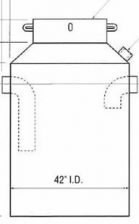
Sand Trap
If you run (or manage) a parking garage, auto repair shop, service station, car wash, warehouse, or industrial facility, you’ve got a not-so-secret hero working under your floor: the sand trap. It’s not flashy, it’s not fun, and it definitely doesn’t get a thank-you card—until it overflows and suddenly everyone has opinions.
In the world of commercial services, a sand trap (also called a grit interceptor) is a critical tank designed to keep sand, silt, oil, and chemical-laced runoff from heading straight into the city sewer. Ignore it long enough and you’re not just dealing with a messy drain problem—you’re risking backups, fines, and a tank that wears out way sooner than it should.
Let’s get into what these traps do, where they show up, and why annual pump-outs are the simplest “set it and forget it” move you can make for your facility.
Where You’ll Find Sand Traps (a.k.a. The Usual Suspects)
Most sand traps are out of sight and easy to forget—until they’re full. I typically see them at:
- Parking Garages: Constant runoff, especially in winter. Road sand and salt add up fast.
- Auto Repair Shops & Service Bays: Oils, fluids, wash-down water, and debris are a daily thing.
- Commercial Car Washes: Mud and grit have to go somewhere, and it shouldn’t be your sewer line.
- Industrial & Warehouse Facilities: Floor drains + heavy use = a steady diet of sediment and solids.
If your building has floor drains and vehicle traffic, odds are good a sand trap is part of your drain system (even if nobody remembers where the lid is).
Annual Pumping: The Simple Rule That Prevents Expensive Problems
Here’s my “write it on the calendar” advice: pump your sand trap out at least once a year. Not “when it starts acting up.” Not “when someone complains.” Annually.
Why? Because sand traps are basically storage tanks for the stuff you don’t want in your lines. Once they reach capacity, the trap stops trapping. Sand and grit rush through, settle in your laterals, and start building a compacted, abrasive mess that’s far harder (and pricier) to remove later.
Regular routine maintenance keeps the system doing what it’s designed to do: protect your lines, protect the city sewer, and help you avoid emergency downtime.
Why This Matters to the City Sewer (and to Your Tank)
A full sand trap doesn’t just become your problem—it becomes the city’s problem. When oil, chemicals, and heavy solids escape into the municipal system, that can trigger compliance issues and very expensive conversations.
On your side of the line, there’s another big reason to stay ahead of it: sand is abrasive. Left sitting and swirling in the tank, grit can wear down the tank’s interior and stress connected piping over time. Annual pump-outs help prolong the life of the tank and reduce the chances of major repair or replacement.
In other words: keeping the trap clean is cheaper than rebuilding what a neglected trap destroys.
Signs Your Sand Trap Is Overdue (Yes, It Has a “Tell”)
Not sure when it was last serviced? Here are the usual hints:
- Slow or gurgling floor drains: The system is struggling to move water.
- Oil/chemical odors: The tank is holding more than it should, for longer than it should.
- Standing water around drains: Backup behavior that doesn’t fix itself.
- Visible sand/debris near the top: That’s the “we should’ve done this months ago” sign.
Minnesota Winter Makes Sand Traps Work Overtime
If you’re in the Minneapolis–St. Paul area, you already know winter is basically a grit delivery service. Road sand, salt, slush, and melting snowmelt all head toward your drains—and your sand trap has to catch it.
Getting a pump-out on the schedule (late fall or early spring is popular) helps keep drains moving when temperatures drop and runoff spikes. It’s one of those boring maintenance items that saves you from the very un-boring experience of a mid-winter backup.
Keep the Grit Where It Belongs
A sand trap is like a bouncer for your drain system: it’s there to stop the wrong stuff from getting in. But even the best bouncer needs a break once in a while.
Annual sand trap pumping protects the city sewer from oil and chemicals, helps your drains run cleaner, and can seriously extend the life of the tank. And if something goes sideways, I’m here with expert technicians and 24/7 service to get you back in business without the drama.
Keep your grit in the trap and your water in the pipes. Your facility (and the city sewer department) will thank you.