“Insanity is repeating the same thing over and over and expecting the results to be different.” That quote fits restaurant grease problems better than most owners want to admit.
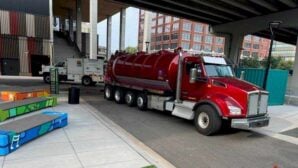
I recently had a restaurant owner upset about the cost of clearing a main line packed with grease. The job took four hours. I had to use a 4,000 PSI jetter running at 18 gallons per minute, plus a vacuum truck so the store wouldn’t flood while I worked. He told me he’d managed restaurants for 20 years and had never paid that much to have grease cleaned from the lines.
What I told him was simple: he had just paid about what a year of routine maintenance would have cost. That’s the part a lot of people miss. Emergency grease clearing is almost always more expensive, more disruptive, and a lot more stressful than staying ahead of the problem.
Why Restaurant Grease Keeps Causing Trouble
A lot of owners assume that if they have a grease trap, they’re covered. They’re not.
A grease trap is not designed to stop 100% of grease from entering the building sewer. Under normal conditions, a properly working trap may stop around 85% of the grease. That still leaves the remaining grease moving downstream into the restaurant’s drain lines. Over time, that buildup hardens, narrows the pipe, and eventually causes a blockage.
That’s why a place can seem fine for months. No backup on the floor. No issue in the restrooms. No warning signs anyone takes seriously. Then one busy day, the line stops taking flow and everything turns into an emergency.
What It Really Costs
The clearing bill is only part of it.
When a restaurant can’t open, revenue stops immediately. Staff still show up. Food is already in the building. Customers leave. Some come back later. Some don’t. If there’s a strong grease backup smell in the dining area or restrooms, that can do more damage than owners realize. People remember that.
I’ve seen businesses focus on avoiding a maintenance invoice, then end up paying far more for emergency drain service, cleanup, downtime, and lost customer trust.
Do: Schedule Routine Grease Maintenance
If a restaurant has a history of grease buildup, routine maintenance isn’t optional. It’s part of operating the kitchen.
For many restaurants, service 2 to 4 times a year is enough to stay ahead of trouble. Some need monthly attention, especially high-volume kitchens, places with heavy frying, or older drain systems that don’t give much room for buildup.
The right schedule depends on what goes down the line, how busy the kitchen is, and how the system has behaved in the past.
Do: Empty the Grease Trap Regularly
At a minimum, the grease trap should be emptied quarterly. In many restaurants, that’s just the starting point.
If the trap is undersized, poorly maintained, or seeing more grease than it was built to handle, quarterly service may not be enough. A neglected trap doesn’t just smell bad. It stops separating grease the way it should, and that pushes more grease into the drain line.
Do: Recycle Cooking Oil
Used cooking oil should be collected and recycled properly, not washed into the drain system.
This sounds obvious, but it’s still one of the most common mistakes in commercial kitchens. Even small amounts add up fast, especially when mixed with food solids and soap. What goes down hot often cools and sticks farther down the line where no one sees it building.
Don’t: Assume No Backup Means No Problem
This is one of the biggest mistakes I run into.
Just because nothing is coming up on the floor today doesn’t mean the line is clear. Grease buildup happens gradually. The pipe diameter gets smaller and smaller until flow slows down enough to cause a stoppage. By the time the symptoms are obvious, the line is often heavily restricted and much harder to clean.
Don’t: Rely on the Grease Trap to Catch Everything
A grease trap helps. It does not solve the whole problem.
If the kitchen is producing grease every day, some of it is getting past the trap. That’s normal. The issue is what happens over time when no one accounts for that remaining grease in the building sewer.
Don’t: Keep Repeating the Same Mistakes
If a restaurant has already had one major grease blockage, that’s the warning.
Paying for the same emergency again and again usually means the real issue hasn’t been addressed. The answer is usually not another last-minute clearing. It’s a maintenance plan that matches the kitchen’s actual grease load.
That’s the difference between reacting to a problem and preventing one.
What Restaurant Owners Should Expect
If a main line is badly packed with grease, clearing it may take specialized equipment and time. In heavier cases, it can require high-pressure jetting and vacuum support to keep the area from flooding during service. That’s not overkill. That’s what it takes when grease has been allowed to build up long enough.
Owners are often surprised by the cost of that kind of work, but they’re usually comparing it to a simple cleaning, not a full-scale grease recovery job under active operating conditions.
The Bottom Line
Restaurant grease problems usually don’t start with one bad day. They build slowly through routine habits, missed maintenance, and the false sense that everything is fine because nothing is backing up yet.
The smart move is simple: recycle cooking oil, keep the grease trap maintained, and service the drain lines before they become a shutdown problem. That approach costs less, disrupts less, and keeps the restaurant open.
If you run a restaurant or commercial kitchen, grease is part of the job. It shows up every day during prep, cooking, cleanup, and dishwashing. The problem starts when that grease cools down inside the drain line. Once it thickens and sticks to the pipe walls, it starts catching food scraps and sludge. That’s when slow drains turn into backups, and backups turn into expensive messes.
I’ve seen plenty of kitchens assume the trap is handling everything just because nothing is overflowing yet. That’s usually how trouble builds. Quietly.
What a Grease Trap Actually Does
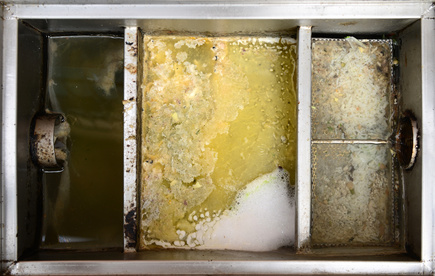
A grease trap is there to slow wastewater down long enough for fats, oils, and grease to separate before they move farther into the sewer line. The heavier solids settle to the bottom. The grease floats to the top. The water in the middle keeps moving.
That helps, but it doesn’t mean the system is foolproof. A grease trap is not a magic box. It reduces what gets into the drain system. It does not stop every bit of grease from getting through.
Some traps are small and sit under a sink. Others are larger and set in the ground outside. The right size depends on how much wastewater the kitchen produces. A busy kitchen pushing out a lot of greasy water needs a setup that matches the load. If the trap is too small, or if it isn’t cleaned often enough, grease starts getting past it faster than most owners realize.
Why Regular Pumping Matters
Grease traps need to be pumped on a routine schedule. That part isn’t optional.
A common rule is the 25 percent rule. Once the floating grease and settled solids take up more than 25 percent of the trap’s capacity, it’s time to have it pumped. Wait too long, and the trap stops doing its job well. At that point, grease and solids start moving downstream where they don’t belong.
Some restaurants need that done every week. Others can go a couple of months. It depends on the menu, the volume, the cleanup habits in the kitchen, and how much grease the operation produces day to day.
That’s why one restaurant can get by on a lighter schedule while another needs much more frequent service. Fried food, heavy pan washing, and poor scraping habits fill a trap fast.
Yellow Grease and Brown Grease
Not all grease waste is the same.
Yellow grease is used cooking oil, usually collected from fryers. This material can often be recycled and reused in other products. It has value when it’s handled properly and kept separate.
Brown grease is the foul stuff pulled from the grease trap. It’s mixed with food waste, water, sludge, and rotting organic material. There’s nothing reusable about it at that point. It has to be hauled off and disposed of properly.
That difference matters because some kitchen staff treat all grease waste the same, and that creates avoidable problems. Used fryer oil should go into the proper collection container. It should never be dumped into the drain system and left for the trap to deal with.
The Cost of Letting It Slide
Most owners don’t think much about grease management until the kitchen starts backing up during business hours. That’s when the real cost shows up.
A neglected grease trap can lead to slow drains, foul odors, emergency cleaning, lost kitchen time, and in some cases a full shutdown until the line is usable again. If wastewater starts coming back up in food prep or dish areas, the problem gets serious in a hurry.
And the bill usually isn’t just for cleaning the trap. It can include drain clearing, jetting, cleanup, and lost revenue while the kitchen is down. That’s the part that stings. Routine service is predictable. Emergency work usually isn’t.
Simple Habits That Help
The best grease control starts before anything reaches the sink.
Scrape plates and pans into the trash before washing them. Use drain screens to catch food scraps. Wipe greasy spills with absorbent material instead of spraying everything into the floor drain. Keep fryer oil separate and send it to recycling. Those are simple habits, but they make a real difference over time.
I’ve seen kitchens spend thousands dealing with drain problems that started with small daily shortcuts. A few extra seconds at the sink is a lot cheaper than a backed-up line on a Friday night.
What to Expect From a Healthy Routine
A good grease routine is usually pretty boring, and that’s the point. The trap gets checked. Pumping happens on time. Staff handles waste the right way. Drains keep flowing. Nobody’s standing in a kitchen wondering why the mop sink is bubbling during dinner rush.
That’s what most restaurant owners want: fewer surprises, fewer shutdowns, and fewer ugly repair bills.
Grease traps do an important job, but they only work if someone stays on top of them. Ignore them long enough, and the drain system will remind you. Usually at the worst possible time.
Commercial kitchens produce a large amount of grease and fats that need to be disposed of regularly to maintain functionality and environmental regulations. Restaurants use grease traps or inflammable waste traps to collect these FOG (fat, oil, grease) materials, which prevents them from congealing in pipes and causing the sewer system to overflow. The grease collected from these kinds of kitchens can be categorized into two separate types: yellow grease and brown grease.
Yellow grease is typically used cooking oil left over from deep fat fryers and industrial-sized griddles. When the fryers need to be cleaned, the used grease is emptied into metal drum containers where it cools and congeals, and can then be recycled. It is considered a "clean" type of grease because the food it comes in contact with is either fresh or frozen, so there is no chance of contamination. Recycled yellow grease is mainly used to feed livestock, but it's also used to make soap, cosmetics, detergents, rubber, and some types of clothing. It can even be used to create biodiesel fuel! Biofuels that have been created from yellow grease burn cleaner than other types of fuel, they have a lower carbon content, and they don't produce carbon monoxide. They can be used to generate power and heat.
Brown grease is used to describe the FOG materials that are collected in grease traps or waste traps. These receptacles are designed to catch the FOGs before they can contaminate the rest of the sewer line. Some are small enough to fit under a commercial sink, while others need to be installed underground. Because the waste traps hold everything that is washed down a commercial drain, the grease mingles with rotting food and dirty water, making it unsafe and unsanitary for recycling purposes. Brown grease is usually pumped out of the waste traps and disposed of in landfills or incinerated. In the last few years, there has been some interest in creating ways to recycle brown grease. While it will never be suitable to manufacture the same types of products as its yellow counterpart, brown grease has the potential to become a viable alternative to diesel fuel and an oil substitute for heavy fuel. Developing technology may make it possible for brown grease to be processed in a manner similar to yellow grease, making it a viable source of biofuel.
The most important thing to remember about grease, whether yellow or brown, is to keep it out of your drain as much as possible. If left untreated, grease buildup almost always leads to sewer overflow. Remember to collect it and throw it away instead of dumping it down your sink or toilet! The environment will thank you, and so will your wallet!
If you are involved in a food business such as a restaurant, café, or hotel, you are probably aware that you have to prevent grease from entering the sewer system after exiting your establishment’s sink and drainage. By law, all commercial kitchen areas in the U.S. are required to have grease traps installed to prevent this from happening.
A grease trap, also known as a grease interceptor, is part of the drain service structure designed to prevent grease and other food-waste materials from entering a septic system or sewer. Without it, grease and oily substances will congeal, form a solid mass, and cause blockage, which may lead to burst pipes. Damages caused by grease blockage can be very costly and taxing. That is why law requires installations of grease traps in establishments where a huge amount of grease is used.
Different types of grease traps are available, depending on how your business operates. These include single-tank traps, double-walled tanks, solid interceptors, oil-water separators, and above-ground interceptors. There are slight differences in how each type works, but they all perform the same basic function, to separate fat, oil and grease from water and solid-food waste. Imagine taking a pail of cold water and pouring in oil. The oil will float to the top of the pail and solidify.
This is how a grease trap works. From the drain, it captures the untreated water (water with grease, oil and other solid-food wastes) and deposits it into the grease-trap tank. This tank acts as a reservoir and holds the wastewater and food that passes through the trap. Solid-food wastes, being the heaviest, drop to the bottom. As the greasy substances harden, they float to the top of the tank, displacing the liquid at the middle. A tube fitting is attached to the tank, allowing the liquid to flow into the sewer or sanitary system. Some grease traps are designed to have a second tank to trap additional grease that may have escaped through the first tank, and the same process is repeated.
Like any other equipment, grease traps need to be properly cleaned out so they work as intended. Over time, it is possible to develop clogs in the flowing line (both ingoing and outgoing) and crossover tube, even if the grease-trap tank is not full.
If you have any technical issues with your grease interceptor, contact the manufacturer or hire a Drain King professional to test for and repair any malfunctions. Alternatively, a full grease trap is no longer capable of filtering any grease or solid food. You can either call the manufacturer or hire us to empty the contents of the tank and restore its operative capacity.
Common grease-trap maintenance expenses include drain snaking, power jetting, and line jetting. Maintenance is needed when drain service between the drain, grease traps, or sewer gets blocked with grease deposits. These deposits are removed by forcing water down the pipes with high pressure to push the grease out with power-jetting or line-jetting procedures.
Let's talk about inflammable waste traps. They are a part of your sewer septic system, designed to intercept and trap inflammable materials so they don't flow into sewer lines, creating a dangerous, explosive mixture. These materials are held in a large, leak-proof steel basin. Sediment settles, and inflammable waste rises, so the leftover wastewater can be safely discharged to a sewer-treatment facility. From time to time, the inflammable waste buildup needs to be safely removed and disposed of, and that's when Drain King can help.
So what is inflammable waste? Since inflammable means "capable of being set on fire," it could be matter in any of its forms ‑ solid, liquid, or gas (vapor). It can be the by-product of a manufacturing process or a discarded commercial product. Examples include, but are not limited to: waste ethanol, methanol, hexane, acetic acid, acetone, motor oil, paints and solvents, aerosols, and cleaning agents. Inflammable waste is characterized by its flash point (the lowest temperature at which a particular organic compound gives off sufficient vapor to ignite in air) of less than 60 C (140 F).
Great care needs to be taken when handling such volatile compounds, to prevent the risk of explosion and/or environmental contamination. In the early 1900s, long before such contaminants were regulated, serious explosions were a regular problem for industrial cities like Pittsburgh, Boston, and New York. In a single year, these three cities suffered six explosions caused by gasoline vapor, resulting in many deaths and severe injuries, as well as physical damage to the sewer lines, buildings, and streets.
Inflammable waste traps may be installed above or below ground. While tanks should be constructed of a leak-proof material, it is important to have them regularly inspected to make sure the waste is fully contained. It is imperative that underground tanks be accessible at ground level for waste removal and inspection. Consider installing an audio and visual alarm that will detect waste levels and alert you when the tank reaches 75 percent of its total capacity. If you choose not to install an alarm, we can manually measure your liquid levels on a monthly basis to gauge the rate of fill. Inflammable waste traps that are not cleaned regularly may allow oils and other chemicals to leak into a septic or sewer system, contaminating wastewater and causing costly cleanup and disposal.
The professionals at Drain King have the knowledge, experience, and equipment to safely and correctly dispose of all types of inflammable waste. Trust us to do your job right the first time.
Fat, oil, and grease can clog treatment systems, wastewater collection, septic tanks, holding tanks, and grease traps. Blockages cause water to overflow from holding tanks, leading to sewage spills. This can result in serious problems like property damage, environmental pollution, and health hazards. Restaurants that dispose of animal- and vegetable-based oil and grease wastes also contribute to this problem.
Institutions producing grease should ensure maximum control in order to evade these problems. In addition to damaging wastewater treatment, hazardous materials like mold and bacteria can enter the environment through the air and may lead to health problems once inhaled.
Winds transport untreated fat, oil and grease (FOG) materials to the environment. Untreated FOG materials can also attract pests like cockroaches, mice, and rats.
Disposal of FOG materials without treatment leads to their accumulation in pipelines. This makes it difficult to transport wastes to drainage lines, as they tamper with the smooth flow. Companies that dispose of large amounts of waste may be forced to stop their activities if blockage by FOG materials is not attended to urgently.
Grease causes serious problems, thus it needs serious attention. Below are some methods of effective grease control.
Establishment of Grease Arrestors
Arrestors are compact and lightweight and can be installed in existing or new facilities. They can be placed anywhere to help reduce disposal. They have an advantage over concrete ones because they are portable. Also, they are built with polythene and thermal plastics, which are anticorrosive. Devices like these are used in grease-cleaning facilities and to trap other chemical pollutants. Contact us for information to on the use of arrestors and how they can help your business.
Establishment of Dosing Systems
This method is widely used in companies that deal with water treatment or use disinfected water. It makes sense for companies to invest in their own dosing systems. This device is easy to handle and install. Its maintenance cost is also low, which adds to its appeal.
Oil Grease Separator Device
This device prevents oil and other greasy wastes from mixing with sewer and stormwater. These machines help reduce problems that may arise due to contamination. Drain King advises companies to purchase these machines online to ensure they receive correct pricing and find the best dealers in the market.
Cleaning Sewers
Sewer cleaning is also another effective grease-control method. This helps to restore and maintain hydraulic capacity, thus preventing blockage or spills. Blockage can also occur after the sewers are cleaned, due to the nature of residential, industrial, or commercial discharges. Most cities keep records of performance at high-problem areas to ensure close supervision.
Cleaning of sewers is costly and resource-intensive. Therefore, if not performed consistently, it may not prevent all grease in these areas. In areas where cleaning is done at short intervals, extra effort might be needed to control the source of the problems. These efforts may include replacement of broken sections of sewer pipes or inspecting grease-removing equipment.