If you’re running a car wash, you know that your business literally lives and dies by its ability to move water. You’ve got high-pressure sprayers, chemical mixers, and conveyors all humming along, but none of that matters if the water has nowhere to go. At the heart of your facility's health is the sand trap: also known as a grit trap or sediment pit. It’s the unsung hero that keeps the mud, road salt, and debris from your customers' cars out of the municipal sewer lines.
However, because these traps are buried under heavy grates or concrete lids, they are often a case of "out of sight, out of mind": until they aren't. When a sand trap hits its limit, it doesn't just stop working; it starts causing a cascade of problems that can lead to emergency shutdowns, expensive repairs, and even legal headaches.
As part of the team here at Drain King Inc., we’ve seen it all. We want to help you spot the trouble before it turns into a disaster. Here are the most common signs that your car wash sand trap is full and needs professional attention immediately.
1. The Slow-Motion Wash: Slow Drains and Water Pooling
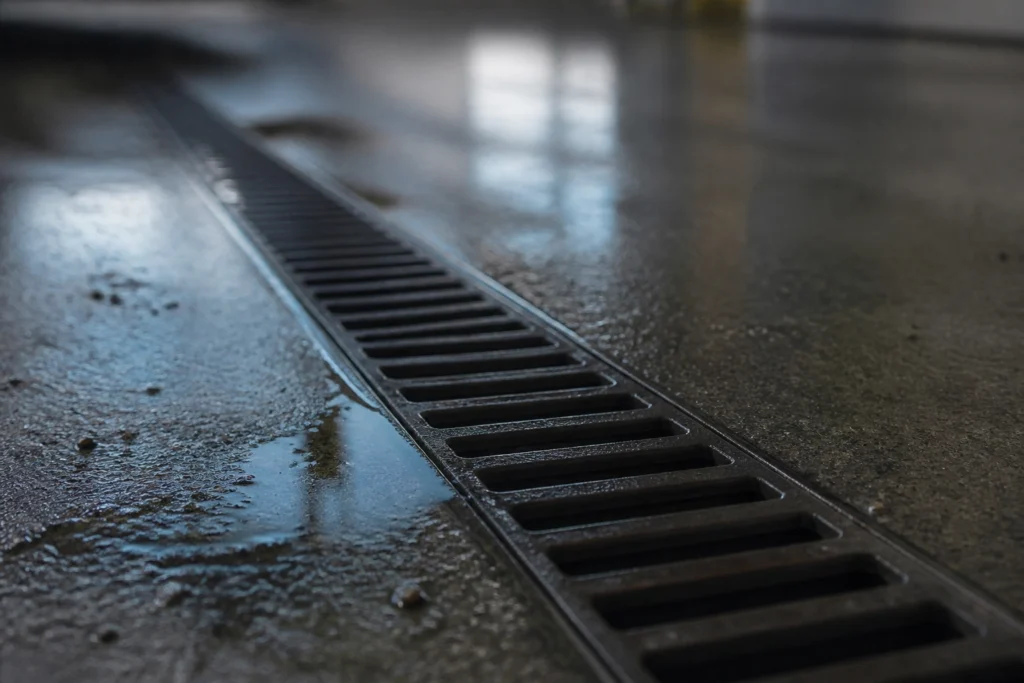
The most obvious sign that your sand trap is reaching its limit is slow drainage. In a high-volume car wash, water should disappear almost as quickly as it hits the floor. If you notice that water is lingering in the bays longer than usual or that "puddles" are starting to form during a wash cycle, it’s a clear signal that the sediment level is too high.
Think about how your trap works: it’s a two-chamber system designed to let solids settle at the bottom while cleaner water flows out the top. When the bottom of that tank is packed with three feet of sludge and sand, there’s simply no volume left for the water. The system gets restricted, and the water starts to stack up in your trench drains.
If you find your staff having to squeegee water toward the drains more than usual, don't ignore it. Once the water starts backing up, it’s only a matter of time before the entire system stalls. Catching this early is key to staying open during your busiest hours.
2. That Unmistakable "Eau de Sewer" Odor
Car washes aren't exactly known for smelling like a field of lilacs: usually, it’s a mix of soap, wax, and wet metal. However, a persistent, unpleasant odor coming from your drains is a major red flag.
While the sand trap is designed to catch grit, it also catches organic material, oils, and grease. When the trap is full or the water becomes stagnant because it’s not moving through the system properly, that organic gunk starts to break down. This creates a "rotten egg" smell or a heavy, swampy odor that can drift into your equipment rooms and, worse, your customer-facing areas.
If your customers are wrinkling their noses as they pull into a bay, it’s a sign that the bacterial load in your trap is out of control. A thorough cleaning from a commercial drain cleaning specialist can flush out those odors and get your bays smelling fresh (or at least like soap again).
3. The Visual "Danger Zone" Check
Sometimes, the best way to know if you're in trouble is to just take a look. You don’t need to be a drain service expert to spot a problem. If you can safely lift a grate or a lid, look for thick layers of mud or debris near the top of the trap itself.
In a healthy trap, you should see water with a relatively clear path to the crossover or outgoing pipes. If you see sediment piling up so high it’s visible just beneath the water’s surface, or if the water looks extra murky and thick, you’re definitely in the "danger zone."
Don’t wait for the water to stop moving entirely. If you see sludge building up near the outlet pipe, it means that grit is likely already washing into your secondary lines. This is where winter drain problems often start, as sand and salt from the road settle in pipes and freeze or compact during the colder months in the Twin Cities.
4. Frequent Backups and Overflows
If you’ve reached the point where water is actually bubbling back up out of floor drains or seeping out from under the sand trap lids, you are in a "code red" situation. This usually means one of two things:
- The crossover pipe is blocked: The first chamber is overflowing, but the second one looks okay.
- The outgoing pipe is blocked: Both chambers are high, and the system is totally backed up.
This isn't just a nuisance; it’s a liability. Overflows can lead to slippery surfaces for customers and can even damage your expensive wash equipment. When a backup occurs, the pressure can force sand into parts of your drain service that were never meant to handle it. This often requires a specialized drain jetting service to clear the lines completely.
Why Regular Pumping is Your Best Insurance Policy
I always tell our clients that sand trap pumping is the ultimate insurance policy for their car wash. Running a wash is all about volume, and every car that passes through leaves behind a little bit of the road.
By scheduling regular maintenance, you’re essentially "cleaning the filter" of your entire operation. It’s a lot cheaper and less stressful to have a scheduled pump-out every few months than it is to lose a full day of revenue on a busy Saturday because your drainage system finally gave up. We work with owners across the cities we serve to find a schedule that fits their specific car count, ensuring they never have to deal with the headache of a mid-day backup.
Protecting Your Main Sewer Lines
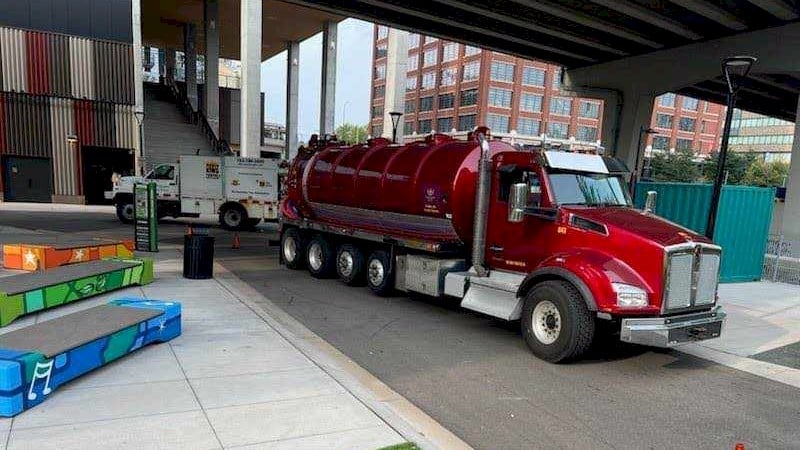
Your sand trap is the first line of defense for your entire property's drain service. Its job is to catch the heavy stuff so it doesn't travel further down the line. When a trap is neglected and fills up, that sand and grit starts washing into your main sewer lateral: the pipe that connects your building to the city's main.
Grit is incredibly abrasive and heavy. Unlike soft clogs, it doesn't just wash away with a little extra water pressure. Once it settles in your main lines, it becomes a solid mass that is much harder (and more expensive) to remove. Protecting those pipes from the start is much easier on your budget.
At Drain King Inc., we take a "trap-to-street" view of your system. When we service your sand traps, we’re also looking out for the health of your main lines. Preventing grit from ever entering your primary sewer pipes is the best way to avoid the massive repair bills that come with long-term sediment damage.
Staying Compliant and Avoiding Fines
In the Twin Cities and surrounding areas, there are strict environmental regulations regarding how car wash waste is handled. Sand traps are designed to catch heavy solids and oily residue before they enter the municipal sewer system. If you let your trap overflow, those contaminants head straight for the city pipes.
Cities don't take kindly to sand in their sewers. If an inspector finds that your car wash is the source of a grit buildup in the municipal line, you can face major environmental violations and some very expensive fines.
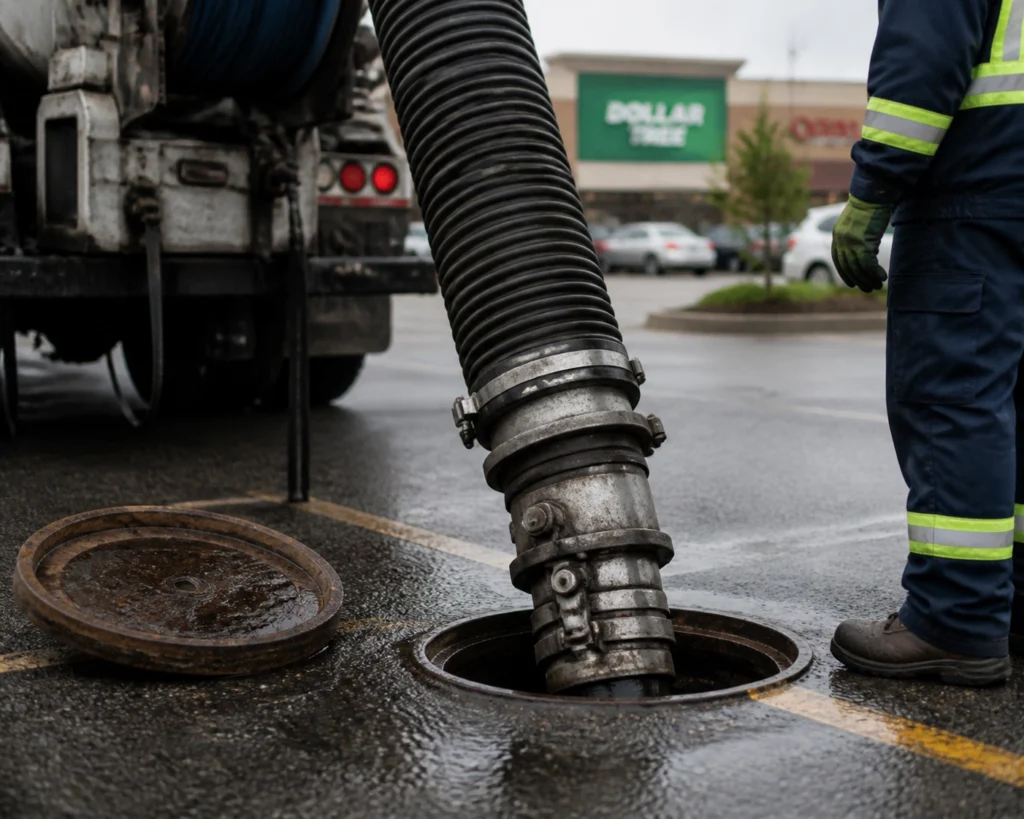
Proper disposal is just as important as the cleaning itself. When we pump your sand trap, we don't just "make it go away": we ensure that all the sludge and wastewater are transported and disposed of according to all state and local guidelines. Keeping accurate records of your maintenance and disposal is your best defense if an authority ever comes knocking. We handle the dirty work so you can stay on the right side of the law.
How Often Should You Clean Your Trap?
There’s no one-size-fits-all answer, but here’s a general rule of thumb for most car washes:
- Typical Car Wash: Every 1–3 months.
- High-Volume Locations: Possibly every month, especially during the winter when road salt and sand are at their peak.
- Self-Serve Bays: These often collect more heavy mud from trucks and off-road vehicles, so they may need more frequent visual checks.
If you’re not sure where your trap stands, it’s always better to be proactive. You can find more about how we diagnose these issues on our diagnostics and details page.
Final Thoughts for Car Wash Owners
Slow drains and strange smells are your car wash's way of telling you that it's struggling. Ignoring these signs doesn't just risk a messy afternoon: it risks your equipment, your reputation, and your bottom line.
Whether you’re dealing with a sudden backup or you just realized it’s been a year since your last pump-out, getting a professional drain service team on-site is the best way to keep the water moving. We’ve spent years helping Twin Cities business owners keep their drains clear and their businesses running smoothly.
If you're noticing any of the signs we talked about today, don't wait for the water to stop flowing. A little maintenance now goes a long way in preventing a total shutdown later. Keep those traps clean, and keep those cars rolling!