
Most people don’t think much about a drain until it stops doing its job at the worst possible time. That’s usually how it goes. Everything’s fine, the house is full, the dishwasher is running, dessert is coming out, and then somebody walks into the kitchen and finds water and suds spreading across the floor because the sink has backed up.
I’ve seen that kind of mess more than once. It throws the whole day off fast. A kitchen backup during a gathering isn’t just annoying. It turns cleanup into damage control, and nobody wants to spend the evening chasing water with towels.
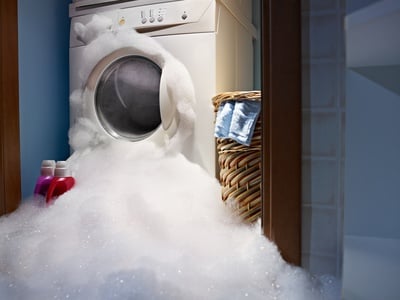
The Trouble With After-Hours Drain Problems
Drain issues have a habit of showing up late, on weekends, or right when you’ve got people over. That’s part of what makes them so frustrating. A slow line you’ve been ignoring all week suddenly turns into a full stoppage once the sink, dishwasher, and disposal all get used back to back.
At that point, waiting until morning usually isn’t realistic. Water on the floor keeps spreading. Cabinets can take on moisture. Flooring can swell. If the backup is bad enough, you’re not just dealing with a clogged drain anymore. You’re dealing with cleanup, odor, and the chance of damage getting worse by the hour.
Drain Stoppages Start Small
A lot of emergency drain calls begin with buildup that’s been there for a while. Kitchen lines are high on the list because grease, food scraps, and soap residue slowly tighten the inside of the drain until water has nowhere left to go. People are often surprised when the dishwasher is what finally exposes the problem, but that’s common. It sends a lot of water through the line in a short stretch.
Bathroom drains have their own pattern. Hair, soap scum, and daily use gradually slow the sink, tub, or shower until one day the water just sits there. Toilets are another story. Usually it’s something that never should’ve been flushed in the first place. In houses with kids, small toys still make their way into the drain more often than people expect.
Sometimes the issue isn’t limited to one fixture. All those branch lines eventually feed into the main drain. When that line stops, the problem can show up in more than one place at once, and that’s when things get messy in a hurry.
Water Leaks Don’t Stay Small for Long
Leaks are another after-hours problem that people try to wait out, and that usually backfires. A drip under a sink, behind a toilet, or near a water heater can turn into a steady release once pressure finds a weak spot. Water doesn’t need much time to damage flooring, drywall, trim, or anything stored nearby.
The first thing I think about with a leak is containment. Stopping the water matters more than anything else in the first few minutes. Once the feed is shut down, the repair becomes a lot more manageable and the damage usually stays more limited.
Frozen Drain and Water Lines
In cold weather, frozen lines can stop flow completely. If the freeze holds long enough, the line can split and then you’ve got water going where it shouldn’t once things thaw. That’s one of those jobs where timing matters. A frozen section caught early is usually a lot easier to deal with than a burst line that’s already let loose.
People sometimes try space heaters, open flames, or whatever else seems quick in the moment. That’s risky. Too much heat in the wrong spot can damage the line or the area around it before the ice even gives way.
What I Usually Tell People to Do First
If a drain is backing up, stop running water into it. That sounds obvious, but in the middle of a mess people often keep testing the sink, flushing again, or restarting the dishwasher to see if it cleared. Most of the time that just adds more water to the problem.
If there’s a leak, shut off the nearest water source if you can do it safely. Then move anything nearby that can be damaged. Towels and buckets help, but they’re only buying time. The main goal is to keep the problem from spreading until the drain issue or leak is under control.
What to Expect
Emergency drain work is usually about getting the immediate problem contained first, then figuring out what caused it. Sometimes it’s a straightforward stoppage. Sometimes it’s years of buildup that finally caught up with the line. Sometimes the visible problem is only the symptom and the real issue is farther down the drain.
Either way, the biggest mistake is waiting too long because you hope it’ll settle down on its own. Drain problems rarely do. They usually get louder, wetter, and more expensive.