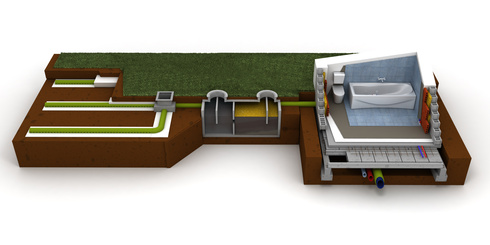
Overpowering and unpleasant sewer smell inside the house can be the result of numerous failures. The sewage disposal system depends on other systems like drain service, vent and trap systems in order to function correctly.
Smelly Odor in Home
Sewage waste, when degraded by bacteria (which has a vile odor of its own, as well), releases various pungent gases like methane and hydrogen sulfide. In addition to the strong offensive odor, these gases can be combustible and hazardous.
The possible causes include:
Incorrect or a lack of vents in the traps - Vents on a drain let the sewer gases exit the drain system without coming into the house through drain service fixtures while the traps form an airlock seal against sewer gases that prevent them from entering the home.
A clogged drain – doesn't allow the odors to get to the vents, which will force them into your home.
Improperly assembled toilet - broken seals around the toilet that allow water to leak or dry out the traps which will cause the odor. An airtight seal between the toilet and floor is absolutely vital in preventing sewer smell from coming indoors. Old, rotting or damp wood can also be blamed.
Leaky, faulty pipes, especially if they are old cast iron – Gasses can collect inside the pipes and escape into the house.
Low water level in the toilet – is another possible cause especially in toilets that don’t get used often.
These are just a few reasons why you may be smelling sewer inside the house. Please contact us at Drain King, where our professionals can determine the exact cause of the sewer smell and eliminate it. It is important to note that sewer smells are dangerous. You and your family should not be exposed to them for long periods of time.
Lift stations are not something a homeowner or business owner thinks about until something goes wrong. A lift station is used to pump wastewater or sewage from a low level to a higher level when the gradient of the area does not allow for a natural flow.
There are two main elements to a lift station: the wet well and the controls. The wet well is a basin into which the inflow is discharged and where the pumps sit. The control panel is the brain of the lift station.
So, how do lift stations work? Sewage is stored and fed into a pit. Once this sewage reaches a certain level, electrical instruments recognize the pit is full and activate the pump, which will then pump the sewage out to its next destination. Most lift stations are housed underground to prevent health risks in a confined area, since the sewage can release poisonous gases like methane and hydrogen sulfide. Therefore, it is essential that owners of existing lift stations consult a professional like Drain King to ensure the pump is still working sufficiently.
A professional can also ensure proper maintenance of your lift station. The pumps, electronic controls, and electrical system are all in a constant corrosive environment, so lift stations require maintenance to head off the need for costly repairs.
Proper maintenance includes wet wells being pumped out and cleaned to prevent solids and grease buildup, inspection of the pumps, greasing of the check valves, and inspections and cleaning of the floats to assure proper performance. Also included is an inspection of all electrical motor-control equipment and of the basin, clean-outs, and covers to prevent buildup.
The average homeowner likely knows sewer lines help transport wastewater from the home to underground sewer mains. Other than that, most homeowners give little thought to their sewer lines, until there’s a problem. A sewer line backup could lead to a costly and damaging impact on your home and belongings.
Knowing two of the most common red flags could save you from a complete sewer backup, including water overflow from a drain or toilet, or a gurgling sound coming from the pipes or drains. Listen to your house and take notice of percolating water.
Your home’s drain service resembles a tree. You have one main line that runs out of the house with smaller branches off that main line. If a clog is in the main line, any water you run in the house will cause problems. If it’s a secondary line, problems are just going to be isolated to that area. Tree roots are the primary cause of sewer line clogs, especially in older homes. In newer homes, common sources of clogs include feminine hygiene products, paper towels, and even certain types of thicker toilet paper.
A very obvious sign of a sewer drain clog is when more than one drain service fixture backs up at the same time. If you suspect that you have a sewer drain clog, start by checking other fixtures in the home. Toilets have the most direct path to the sewer and the biggest drain line in the house, so if there is a problem with the sewer drain you will notice it here. Other drains typically affected by a main line stoppage are those in the tub and shower, because they sit lower down than a sink drain. Check whether the tub and shower drains are blocked.
If you suspect a sewer clog but can’t find the source, please call the professionals at Drain King for a diagnosis.
A back-up of your sewer system can be a costly and damaging event. Knowing the signs of a clogged drain line or sewer system can help you avoid having to go through such a mess. A clogged sewer line will usually offer clues before it backs up completely. The most common signs of a clogged line are sounds that come from drains and toilets, water backing up or pooling around the drains or toilets, and the smell of raw sewage coming from your drains. If you have an older home or several trees on your property, routine maintenance of your drain system may be the best way to keep your pipes running smoothly.
Most clogs can be cleared quickly. A Drain King professional will typically run a cable, also known as a drain auger or snake, through the line to clear the clog. Clogs can occur in the main sewer line or in one of the smaller secondary lines. If the clog is in the main line, it will impact all the drain service inside your home, and any water you run will create a backup. If it is a secondary line, problems would most likely be isolated to that area.
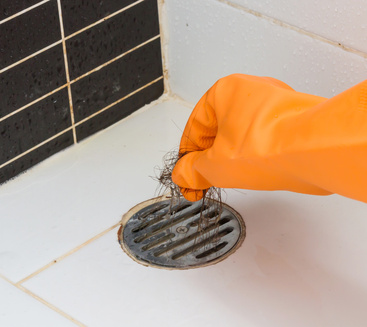
Clearing your lines with a snake or drain auger will unclog your system, but if the lines are still draining slowly it may be time to have them cleaned. A high-pressure water jet is used to remove all the residue that builds up in your lines, including grease, mineral deposits, hair, food, and other blockages.
Have you walked through your home and counted the number of drains you actually have? Probably not. So until there is a problem, most people do not think about their pipes or what is done to clean them after something goes wrong.
It takes the right skill and proper equipment to do an effective, long-lasting, and thorough drain-cleaning job. Some companies focus on a “punch-and-run” approach, in which they simply make a hole in a clog rather than clean out and flush the pipe. At Drain King, we focus on doing the job right. To us, the punch-and-run approach is only putting a Band-Aid on a problem that will return sooner than necessary. To properly clean drains, you need the right diagnoses of the problem, the proper equipment, the correct size cleaning-head attachment, and a professional who will take the proper time to make sure the drain is fully cleaned.
There is a difference between just unclogging a drain and cleaning a drain line. A good drain-cleaning professional will have a clear understanding of this and likely know the cause of any clog. If you look around your house, you’ll find a variety of different drains that need to be kept clean so they work properly. Kitchen drains, shower and bath drains, bathroom sink drains, toilet drains, and floor drains all lead to the main sewer-line drain connecting your home to the city system or your septic tank. Done correctly, a professional drain cleaning will ensure the entire system is running properly.