For sinks and showers, there are several types of drain plugs to choose from. While their purpose is the same, models differ in style and functionality. This article will discuss each type of drain-plug system, so you can find the best fit for your faucet and the needs of your household.
For Bathroom Sinks:
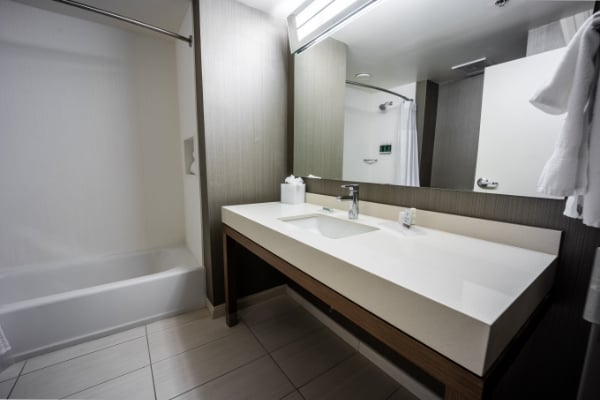
The pop-up drain is the most common type of sink plug. In fact, it's probably what you already have in your bathroom. When you pull up on a lever, the stopper is lowered into position, blocking the drain and allowing the sink to fill with water. When you're ready to drain the sink, you push the lever back down. The stopper lifts, and the water flows out. The push/pull mechanism is controlled by a long arm that attaches the two pieces under the sink. The pop-up drain is inexpensive and easy to install. It does wear over time, but it's easy to replace. It is important that a pop-up drain be installed only in sinks that have overflow drains. Without them, the potential for flooding is greatly increased.
While it isn't technically a plug, the grid-style drain deserves a mention here as well. This small piece of metal with holes punched into it fits over the drain and prevents small particles from washing through. Many public restrooms use grid drains because they are much less likely to clog, and they prevent sinks from overflowing. If you have a grid drain in your residence, and the drain is recessed, it can be plugged with a rubber stopper.
For Showers and Tubs:

The lift-and-turn plug has a knob at the top. Twist clockwise and the drain closes; twist counterclockwise and it opens again. The long center screw is drilled into the drain crossbar and holds the plug in place.
The push-and-pull stopper is similar to the lift-and-turn plug, but instead of twisting it, you push the stopper down to fill the tub with water and lift it when it's time to drain.
The trip lever is installed through the tub overflow, which allows a small plunger farther down the pipe to close the drain when the trip lever is lifted, and open it when the lever is pushed down. This type of drain plug typically has a drain screen to keep large items from washing down the drain. The screen is especially helpful in catching hair before it gets into the pipes.
A toe-touch stopper is as easy as it sounds—you step on it to close the drain, and step on it again when you're ready to empty the tub.
The pop-up drain works the same in a tub as it does in a bathroom sink. The stopper is controlled by lifting and lowering a lever. This alternately lifts and lowers the stopper.
The flip-it stopper controls the flow of water when a toggle lever is moved from side to side. This stopper is the easiest to install—there are no tools necessary. Once you push it into the drain, the attached o-rings hold it in place and make the drain watertight.
For Kitchen Sinks:
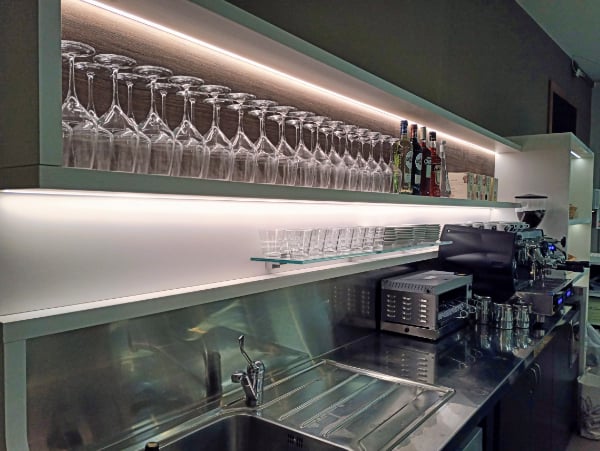
The combination strainer and stopper is a removable plug that fits into a kitchen drain to prevent food particles from washing through it. When it's turned slightly, a rubber stopper at the bottom creates a tight seal in the drain, allowing the sink to be filled for washing or soaking. While it won't work on a drain that has been fitted with a garbage disposal, it is a very inexpensive, convenient choice.
A level stopper is also removable. It is typically a small plastic or silicon mat that sits over the top of the drain. While it does not provide a seal as tight as the strainer/stopper, its small amount of suction is usually enough to keep water in the sink for a short period of time.
A drain stopper, made of firm plastic or rubber, is placed directly into the drain for maximum stoppage. There is no strain feature on this type of stopper, but it is a good choice for drains that are connected to a garbage disposal.
For all your drain and drain service needs, contact the professionals at Drain King.