
If your sinks are draining slow or not at all and you suspect frozen drain lines, don’t panic. It’s a headache, for sure, but there’s a good chance you can tackle the issue before needing emergency help. Here’s what I recommend if you’ve got frozen drains and you want to fix things fast (and safely).
First Step: Check and Prep
So, you think something’s frozen inside your drains. The best way to start is a little detective work:
- Turn up the heat: Raise the temperature in your home. Heat helps thaw frozen pipes and lines from the inside out.
- Open doors and cabinets: If you’ve got drains running behind cabinets or in closets, swing open those doors. Letting warmer air reach the pipes can make a difference.
- Look and listen for trouble: Peek around for water spots on walls or ceilings. Listen for dripping or weird gurgling. If you spot obvious leaks or standing water, halt the DIY and move on to seeking help from your drain service experts.
- Stay safe and tidy: Lay down towels under affected areas just in case things start to thaw and get messy.
Try the Hot Water and Salt Trick
Here’s a classic that’s safe for most drains (and feels a little like magic):
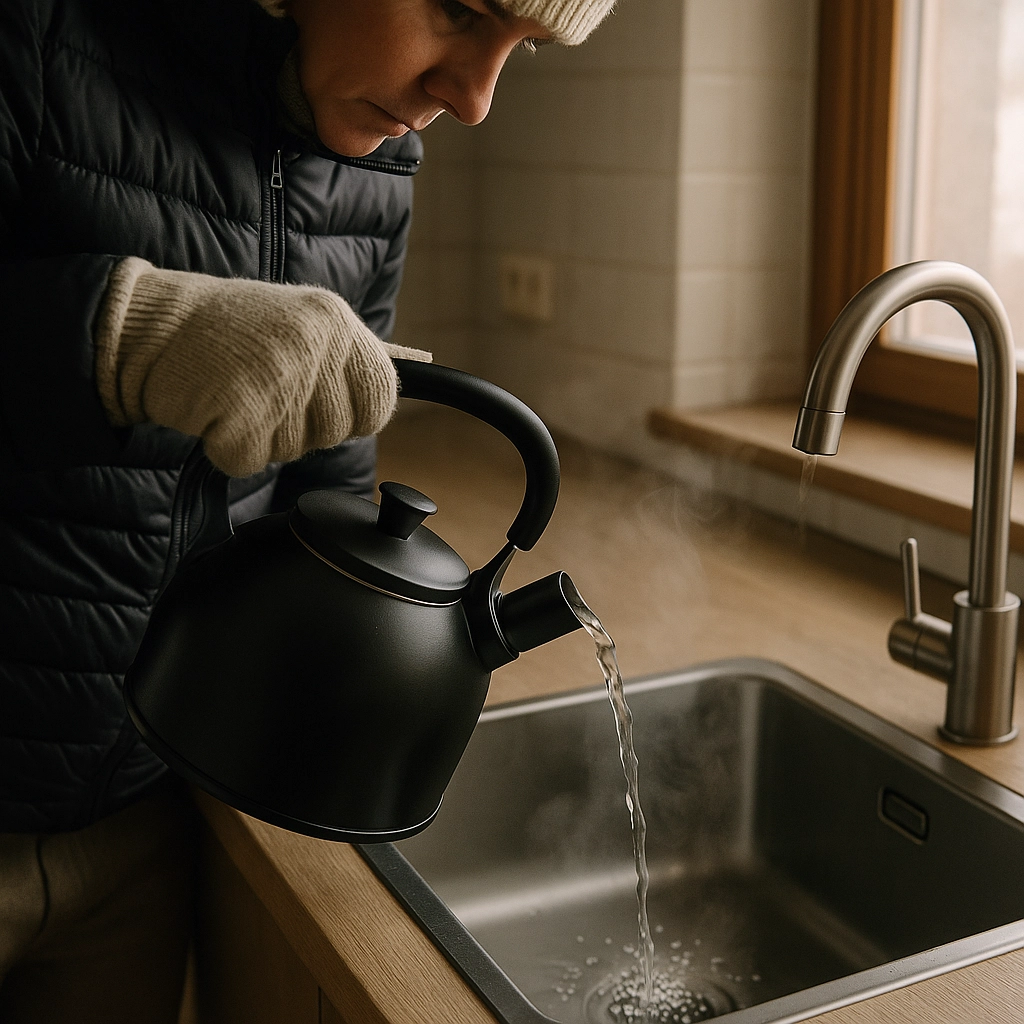
- Heat some water: Boil a full kettle, then let it cool for about a minute to avoid pouring boiling water directly down the drain (super high heat can sometimes shock certain pipe materials).
- Add salt: Stir in a generous cup of kosher salt. Salt lowers the freezing point, helping break up ice.
- Pour steadily: Tip your salt-water mixture slowly down the frozen drain.
- Repeat: Give it a few minutes, then try again. Sometimes it takes a couple of rounds.
You’ll need a bit of patience here. If the clog is stubborn, keep at it, but don’t force it.
Warming Things Up: Heat Methods That Work
If you can get access to the actual line—like those under a sink, or in the basement—these gentle heat approaches can help:
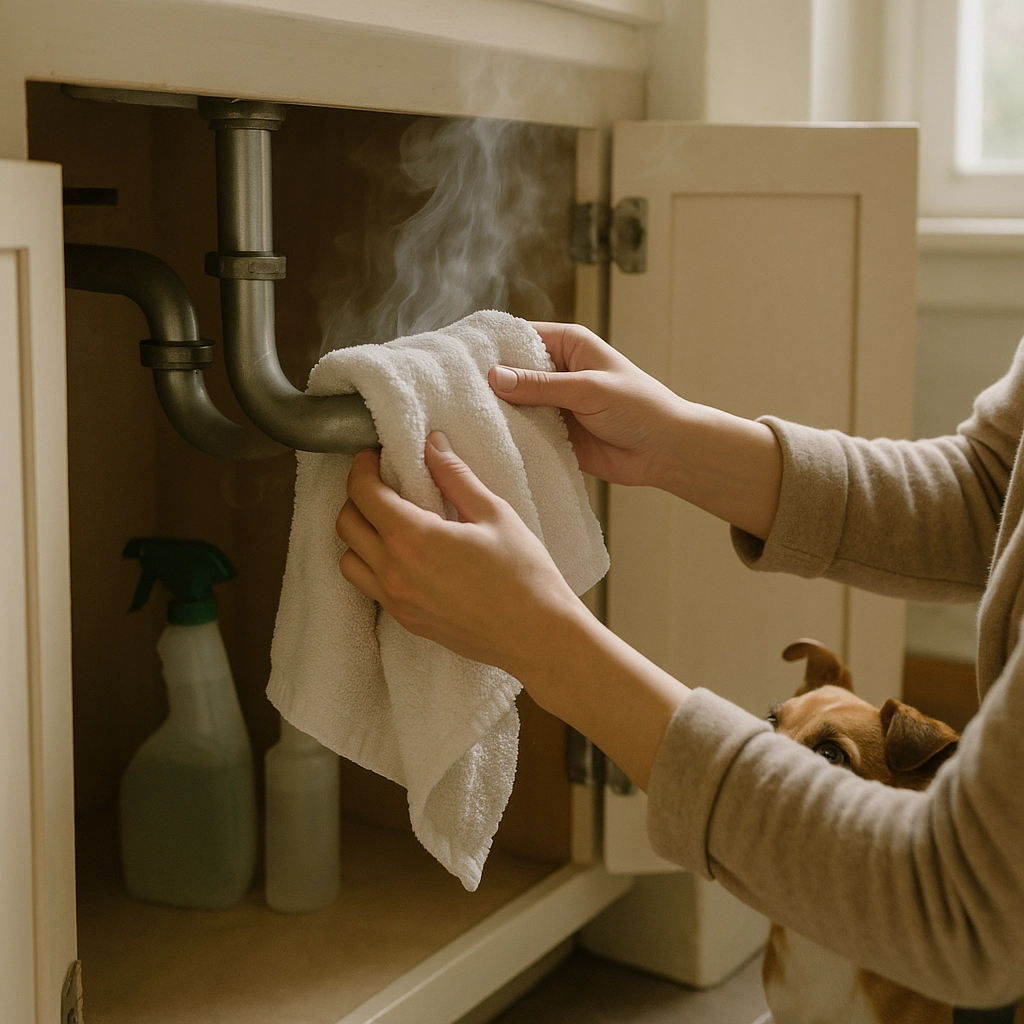
Wrap with Hot Towels
Soak a couple of towels in hot water, wring them out a bit, then wrap them around the frozen section of the line. Re-wet with hot water as needed. This works best with easy-to-reach, exposed drains and keeps things safe.
Use a Heat Lamp
If your frozen line is in a crawl space or basement, try a heat lamp. Aim it right at the problem spot—but remember, don’t leave it unattended. Heat lamps work slowly, but steadily, and can be a good way to loosen stubborn ice.
Try a Heat Cable
Got a freeze that keeps coming back every winter? Consider heat cables (sometimes called heat tape). You wrap these right around the exterior of the pipe, plug them in, and let them do the warming for you. It’s smart to read the directions closely. And if you’ve never used one before, get advice from someone who has.
Whatever You Do, Stay Safe
When you’re dealing with frozen drain lines, you don’t want to take risks. Here are a few big “don’ts” that I always share:
- No open flames: Blowtorches, lighters, or any open flames are never a good idea near pipes. Fires and even pipe damage can result.
- Don’t go wild with force: Avoid banging on or over-heating any pipes. Sudden temperature changes can create cracks or cause old pipes to burst, making the problem way worse.
- Handle electricity with care: If you try a heat cable or lamp, check there’s no water nearby and always plug things into a GFCI-protected outlet.
If you don’t know exactly where the freeze is happening or things just aren’t working, play it safe. Sometimes what seems like a minor issue is hiding a bigger one.
Keeping Things from Freezing Again
Once you’ve thawed your lines (or while you’re waiting for them to open up), try a few quick prevention steps to help you save hassle this winter:
- Keep the heat up: Don’t let your house dip too low overnight, especially if temperatures outside drop fast.
- Open up the airflow: In extra-cold snaps, leave cabinet doors open under sinks and let warm air circulate.
- Drip taps during cold waves: A slow, steady drip helps keep water moving and less likely to freeze up tight.
- Seal drafts: Check for cold air sneaking in near exterior walls and around pipe exits; a little weather-stripping or insulation goes a long way.
When to Call the Drain Pros
DIY can fix a lot, but there are clear times to call for help:
- There’s visible leaking, serious water pressure drops, or you suspect a burst.
- You absolutely can’t find the frozen spot, even after checking obvious spots near exterior walls.
- After an hour or so of trying the above methods, there’s zero improvement.
Drain service experts have tools like video inspection to spot exactly where the freeze is. Some use special steam-blasting machines to safely thaw deep or buried lines—these aren’t available for home use but will quickly solve the ice problem and get your drains flowing again.
If disaster strikes and you see leaks: turn off your main water or drain shutoff valve and get on the horn with your local drain team. That’s what we’re here for!