No homeowner wants to deal with frozen pipes in the middle of winter. They are messy and expensive to take care of, as well as inconvenient. Water expands as it freezes, causing tremendous pressure in whatever contains it. Sometimes the pressure is so great, it causes the container to burst. Luckily, there are steps you can take to protect your pipes and avoid the headache of fixing leaky drain service in freezing temperatures.
Drain water from garden hoses, sprinkler pipes and swimming pool supply lines, and store them indoors.
Check indoor pipes in unheated areas like basements, crawl spaces, attics and garages. When possible, insulate the pipes with UL-listed heat tape or pipe sleeves. Newspaper can also be used, although it offers less protection.
Have your home's exterior walls insulated. Make sure windows and doors are caulked and sealed to avoid drafts. Close attic and crawl space doors.
Keep warm air circulating around the pipes by leaving cabinet doors open under sinks in the kitchen and bathrooms.
If you're going to be away from home for an extended period of time, set the thermostat no lower than 55 degrees.
Make sure heat vents are open and unobstructed by furniture.
Change furnace filters regularly to ensure that heat will be distributed properly to all areas of your house.
Let a small amount of water trickle through the pipes that are in unheated spaces or outdoor walls. Running water doesn't freeze.
Know where the master shutoff valve is. It is almost always located near an outdoor water meter or indoor appliance (furnace, washing machine, water heater, etc.). Paint it a bright color so it is easily identifiable, and show each member of your family where it is and how to turn it off. Sometimes, no matter how many precautions are taken, the pipes still freeze. If a water line is broken, you may not notice a leak until the ice melts. That leak may manifest as a trickle or a gush, but it's best to know how to stop the flow of water before it turns into a flood.
As the crisp fall temperatures slowly give way to frigid winter weather, it's a good idea to think about your drain service, and how to keep your pipes from freezing. Frozen pipes are inconvenient, expensive to repair and can cause extensive damage to structures in a very short amount of time. With a little preparation, you can save yourself the headache of a major home maintenance disaster.
There are three main causes of frozen pipes: rapid drops in temperature, thermostats set too low and inadequate insulation. The good news is, these are easy to remedy. Before winter weather sets in, consider doing the following:
Seal leaks that allow cold air to enter the home. Even small bursts of cold air are enough to freeze a pipe. Wind chill is worse for pipes than cold temperatures. Look for drafts around electrical wiring, dryer vents, attics, crawl spaces and pipes, and then seal them with caulk or insulation.
Disconnect garden hoses for the winter. Drain the water from them and store before the first hard freeze. Water left in the hose or spigot can freeze, which puts pressure on indoor pipes as the ice expands. Use a faucet cover for extra protection. Don't forget to winterize your outdoor kitchen.
Even if you live in a climate where freezing temperatures are uncommon, insulate the pipes in your home's crawlspace, attic and basement. Exposed pipes are the most susceptible to freezing. Wrap them with heat tape or pipe sleeves specifically designed to insulate pipes and keep them from freezing. The more insulation that protects them, the less likely they'll be to freeze. Also, open cabinet doors in bathrooms and kitchens to let heat circulate around the pipes.
Keep the thermostat set at the same temperature day and night. If you turn it down while you sleep, the drop in indoor temperature, coupled with the cold outdoors, could trigger a freeze. The thermostat should never be set lower than 55 degrees, even if you are away from home for an extended period of time.
If you're still worried about your pipes freezing, you may want to think about running the hot and cold water at a trickle during the night, especially if the pipes are on an outside, less-insulated wall. It is difficult for running water to freeze, so by leaving the lines open and allowing consistent pressure release, the pipes are protected from rupture.
If you have further questions about protecting your pipes during winter, contact the drain service experts at Drain King.
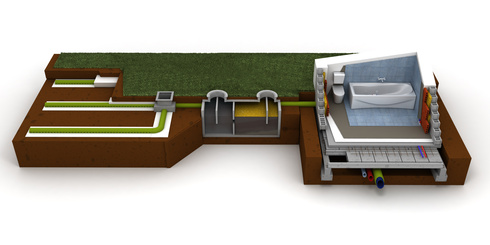
Lift stations are not something a homeowner or business owner thinks about until something goes wrong. A lift station is used to pump wastewater or sewage from a low level to a higher level when the gradient of the area does not allow for a natural flow.
There are two main elements to a lift station: the wet well and the controls. The wet well is a basin into which the inflow is discharged and where the pumps sit. The control panel is the brain of the lift station.
So, how do lift stations work? Sewage is stored and fed into a pit. Once this sewage reaches a certain level, electrical instruments recognize the pit is full and activate the pump, which will then pump the sewage out to its next destination. Most lift stations are housed underground to prevent health risks in a confined area, since the sewage can release poisonous gases like methane and hydrogen sulfide. Therefore, it is essential that owners of existing lift stations consult a professional like Drain King to ensure the pump is still working sufficiently.
A professional can also ensure proper maintenance of your lift station. The pumps, electronic controls, and electrical system are all in a constant corrosive environment, so lift stations require maintenance to head off the need for costly repairs.
Proper maintenance includes wet wells being pumped out and cleaned to prevent solids and grease buildup, inspection of the pumps, greasing of the check valves, and inspections and cleaning of the floats to assure proper performance. Also included is an inspection of all electrical motor-control equipment and of the basin, clean-outs, and covers to prevent buildup.
When a drain emergency strikes, time is of the essence. Waiting for unreliable companies can make the situation even worse, leading to additional damage and frustration. At Drain King, we understand the urgency of drain emergencies, and we’re committed to providing fast, reliable, 24-hour service across Minneapolis. Whether it’s a clogged sink or a frozen roof drain, we’re ready to take your call anytime – day or night.
Why Choose Drain King for Your Emergency Drain Cleaning Needs?
When you’re dealing with a drain emergency, selecting the right service provider is crucial. Here’s why Drain King has become a trusted choice in Minneapolis for emergency drain cleaning:
Immediate Availability: We’re here 24/7, every single day of the year.
Skilled Technicians: Our team is highly trained, experienced, and well-equipped to handle a wide range of drain issues with accuracy and care.
Fully Prepared: We bring all the necessary tools and expertise directly to your door, so you don’t have to worry about gathering supplies or making extra trips to the store.
Trusted by Clients: Our website features testimonials and references from satisfied clients who have experienced the difference of choosing Drain King in their time of need.
Comprehensive Service Across the Minneapolis Metro Area: We proudly service the entire Minneapolis metro area, ensuring that our expertise is available to all, no matter where the emergency occurs.
When to Call Drain King: Emergency Situations We Handle
Drain issues can strike when you least expect them and knowing when to call in an expert can save you both time and stress. Here are some of the most common drain emergencies we handle:
Clogged Drains: Whether it’s your kitchen sink, bathtub, or shower, a clog can disrupt your daily routine and quickly become a nuisance. Our team can clear it fast, using effective methods to get your drains back in working order.
Burst or Frozen Pipes: Minnesota winters can be brutal, often resulting in frozen pipes that can crack or burst, causing water damage. Our team is equipped to address these issues quickly, minimizing potential damage to your property.
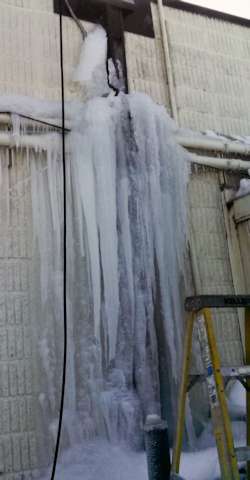
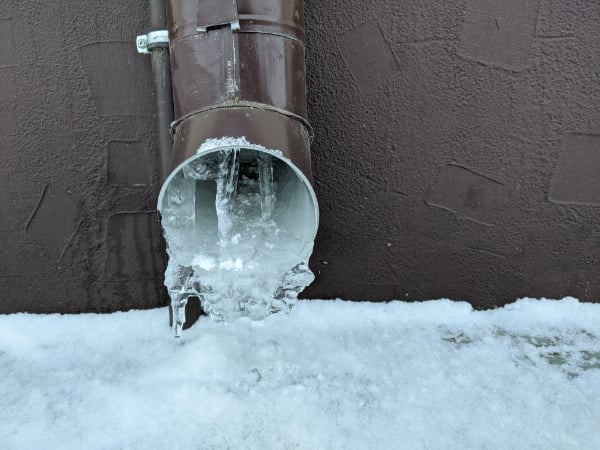
Frozen Roof Drains: Roof drains are essential for protecting your property from water accumulation, especially during winter. A frozen roof drain can lead to severe water pooling and ice dams. We can clear these drains to ensure proper water flow and prevent roof damage.
Backed-Up Toilets and Sinks: Few things are as disruptive as a backed-up toilet or sink. These situations often require urgent attention, and our team is ready to address them effectively.
Blocked Parking Lot Drains: For commercial properties, a blocked parking lot drain can lead to flooding, creating hazards for vehicles and pedestrians. We handle both residential and commercial drain emergencies with equal dedication, ensuring a safe environment for everyone.
No matter the issue, our team has the skills, tools, and dedication to resolve it swiftly. Call 763-786-3000 for immediate assistance or use our online 24/7 Quick Service Request Form to reach us at any hour.
Experience the Drain King Difference: Commitment, Care, and Quality Service
Emergencies can be stressful and chaotic, but with Drain King, you have a team that understands how to handle high-pressure situations with expertise and precision. When you call us, you’re choosing a company that prioritizes customer satisfaction, thorough work, and timely solutions. We’re committed to addressing your drain issue quickly and effectively, so you can go back to enjoying your home or running your business smoothly.
Our goal is to provide a high standard of care and quality, treating each drain emergency with the attention it deserves. With Drain King, you can trust that we’ll not only fix the issue at hand but also take steps to help prevent future problems.
The average homeowner likely knows sewer lines help transport wastewater from the home to underground sewer mains. Other than that, most homeowners give little thought to their sewer lines, until there’s a problem. A sewer line backup could lead to a costly and damaging impact on your home and belongings.
Knowing two of the most common red flags could save you from a complete sewer backup, including water overflow from a drain or toilet, or a gurgling sound coming from the pipes or drains. Listen to your house and take notice of percolating water.
Your home’s drain service resembles a tree. You have one main line that runs out of the house with smaller branches off that main line. If a clog is in the main line, any water you run in the house will cause problems. If it’s a secondary line, problems are just going to be isolated to that area. Tree roots are the primary cause of sewer line clogs, especially in older homes. In newer homes, common sources of clogs include feminine hygiene products, paper towels, and even certain types of thicker toilet paper.
A very obvious sign of a sewer drain clog is when more than one drain service fixture backs up at the same time. If you suspect that you have a sewer drain clog, start by checking other fixtures in the home. Toilets have the most direct path to the sewer and the biggest drain line in the house, so if there is a problem with the sewer drain you will notice it here. Other drains typically affected by a main line stoppage are those in the tub and shower, because they sit lower down than a sink drain. Check whether the tub and shower drains are blocked.
If you suspect a sewer clog but can’t find the source, please call the professionals at Drain King for a diagnosis.