
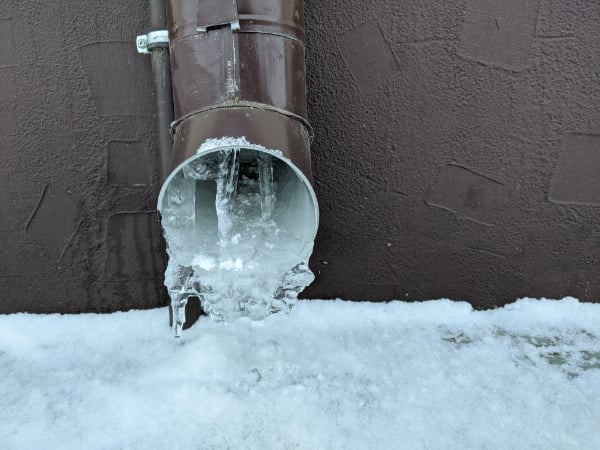
As the crisp fall temperatures slowly give way to frigid winter weather, it's a good idea to think about your drain service, and how to keep your pipes from freezing. Frozen pipes are inconvenient, expensive to repair and can cause extensive damage to structures in a very short amount of time. With a little preparation, you can save yourself the headache of a major home maintenance disaster.
There are three main causes of frozen pipes: rapid drops in temperature, thermostats set too low and inadequate insulation. The good news is, these are easy to remedy. Before winter weather sets in, consider doing the following:
- Seal leaks that allow cold air to enter the home. Even small bursts of cold air are enough to freeze a pipe. Wind chill is worse for pipes than cold temperatures. Look for drafts around electrical wiring, dryer vents, attics, crawl spaces and pipes, and then seal them with caulk or insulation.
- Disconnect garden hoses for the winter. Drain the water from them and store before the first hard freeze. Water left in the hose or spigot can freeze, which puts pressure on indoor pipes as the ice expands. Use a faucet cover for extra protection. Don't forget to winterize your outdoor kitchen.
- Even if you live in a climate where freezing temperatures are uncommon, insulate the pipes in your home's crawlspace, attic and basement. Exposed pipes are the most susceptible to freezing. Wrap them with heat tape or pipe sleeves specifically designed to insulate pipes and keep them from freezing. The more insulation that protects them, the less likely they'll be to freeze. Also, open cabinet doors in bathrooms and kitchens to let heat circulate around the pipes.
- Keep the thermostat set at the same temperature day and night. If you turn it down while you sleep, the drop in indoor temperature, coupled with the cold outdoors, could trigger a freeze. The thermostat should never be set lower than 55 degrees, even if you are away from home for an extended period of time.
If you're still worried about your pipes freezing, you may want to think about running the hot and cold water at a trickle during the night, especially if the pipes are on an outside, less-insulated wall. It is difficult for running water to freeze, so by leaving the lines open and allowing consistent pressure release, the pipes are protected from rupture.
If you have further questions about protecting your pipes during winter, contact the drain service experts at Drain King.