
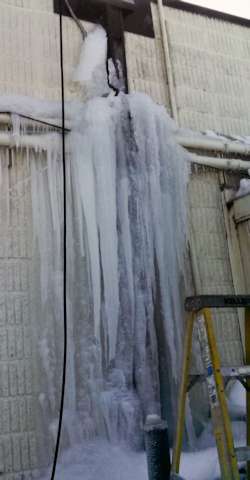
No homeowner wants to deal with frozen pipes in the middle of winter. They are messy and expensive to take care of, as well as inconvenient. Water expands as it freezes, causing tremendous pressure in whatever contains it. Sometimes the pressure is so great, it causes the container to burst. Luckily, there are steps you can take to protect your pipes and avoid the headache of fixing leaky plumbing in freezing temperatures.
- Drain water from garden hoses, sprinkler pipes and swimming pool supply lines, and store them indoors.
- Check indoor pipes in unheated areas like basements, crawl spaces, attics and garages. When possible, insulate the pipes with UL-listed heat tape or pipe sleeves. Newspaper can also be used, although it offers less protection.
- Have your home's exterior walls insulated. Make sure windows and doors are caulked and sealed to avoid drafts. Close attic and crawl space doors.
- Keep warm air circulating around the pipes by leaving cabinet doors open under sinks in the kitchen and bathrooms.
- If you're going to be away from home for an extended period of time, set the thermostat no lower than 55 degrees.
- Make sure heat vents are open and unobstructed by furniture.
- Change furnace filters regularly to ensure that heat will be distributed properly to all areas of your house.
- Let a small amount of water trickle through the pipes that are in unheated spaces or outdoor walls. Running water doesn't freeze.
Know where the master shutoff valve is. It is almost always located near an outdoor water meter or indoor appliance (furnace, washing machine, water heater, etc.). Paint it a bright color so it is easily identifiable, and show each member of your family where it is and how to turn it off. Sometimes, no matter how many precautions are taken, the pipes still freeze. If a water line is broken, you may not notice a leak until the ice melts. That leak may manifest as a trickle or a gush, but it's best to know how to stop the flow of water before it turns into a flood.