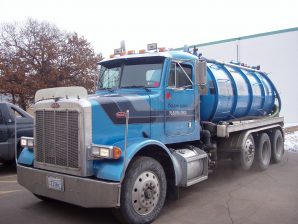
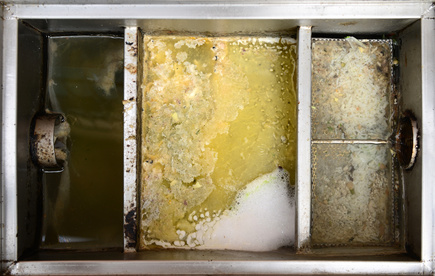
If you run (or manage) a parking garage, auto repair shop, service station, car wash, warehouse, or industrial facility, you’ve got a not-so-secret hero working under your floor: the sand trap. It’s not flashy, it’s not fun, and it definitely doesn’t get a thank-you card—until it overflows and suddenly everyone has opinions.
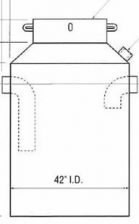
In the world of commercial services, a sand trap (also called a grit interceptor) is a critical tank designed to keep sand, silt, oil, and chemical-laced runoff from heading straight into the city sewer. Ignore it long enough and you’re not just dealing with a messy drain problem—you’re risking backups, fines, and a tank that wears out way sooner than it should.
Let’s get into what these traps do, where they show up, and why annual pump-outs are the simplest “set it and forget it” move you can make for your facility.
Where You’ll Find Sand Traps (a.k.a. The Usual Suspects)
Most sand traps are out of sight and easy to forget—until they’re full. I typically see them at:
Parking Garages: Constant runoff, especially in winter. Road sand and salt add up fast.
Auto Repair Shops & Service Bays: Oils, fluids, wash-down water, and debris are a daily thing.
Commercial Car Washes: Mud and grit have to go somewhere, and it shouldn’t be your sewer line.
Industrial & Warehouse Facilities: Floor drains + heavy use = a steady diet of sediment and solids.
If your building has floor drains and vehicle traffic, odds are good a sand trap is part of your drain system (even if nobody remembers where the lid is).
Annual Pumping: The Simple Rule That Prevents Expensive Problems
Here’s my “write it on the calendar” advice: pump your sand trap out at least once a year. Not “when it starts acting up.” Not “when someone complains.” Annually.
Why? Because sand traps are basically storage tanks for the stuff you don’t want in your lines. Once they reach capacity, the trap stops trapping. Sand and grit rush through, settle in your laterals, and start building a compacted, abrasive mess that’s far harder (and pricier) to remove later.
Regular routine maintenance keeps the system doing what it’s designed to do: protect your lines, protect the city sewer, and help you avoid emergency downtime.
Why This Matters to the City Sewer (and to Your Tank)
A full sand trap doesn’t just become your problem—it becomes the city’s problem. When oil, chemicals, and heavy solids escape into the municipal system, that can trigger compliance issues and very expensive conversations.
On your side of the line, there’s another big reason to stay ahead of it: sand is abrasive. Left sitting and swirling in the tank, grit can wear down the tank’s interior and stress connected piping over time. Annual pump-outs help prolong the life of the tank and reduce the chances of major repair or replacement.
In other words: keeping the trap clean is cheaper than rebuilding what a neglected trap destroys.
Signs Your Sand Trap Is Overdue (Yes, It Has a “Tell”)
Not sure when it was last serviced? Here are the usual hints:
Slow or gurgling floor drains: The system is struggling to move water.
Oil/chemical odors: The tank is holding more than it should, for longer than it should.
Standing water around drains: Backup behavior that doesn’t fix itself.
Visible sand/debris near the top: That’s the “we should’ve done this months ago” sign.
Minnesota Winter Makes Sand Traps Work Overtime
If you’re in the Minneapolis–St. Paul area, you already know winter is basically a grit delivery service. Road sand, salt, slush, and melting snowmelt all head toward your drains—and your sand trap has to catch it.
Getting a pump-out on the schedule (late fall or early spring is popular) helps keep drains moving when temperatures drop and runoff spikes. It’s one of those boring maintenance items that saves you from the very un-boring experience of a mid-winter backup.
Keep the Grit Where It Belongs
A sand trap is like a bouncer for your drain system: it’s there to stop the wrong stuff from getting in. But even the best bouncer needs a break once in a while.
Annual sand trap pumping protects the city sewer from oil and chemicals, helps your drains run cleaner, and can seriously extend the life of the tank. And if something goes sideways, I’m here with expert technicians and 24/7 service to get you back in business without the drama.
Keep your grit in the trap and your water in the pipes. Your facility (and the city sewer department) will thank you.
How to Clear a Frozen Sewer Line in Minneapolis Using Hot Water Jetting
Minnesota winters are no joke. When temperatures drop well below freezing, underground sewer lines and drain pipes can freeze solid, stopping water flow and creating serious problems for homes and commercial properties alike. If you are dealing with a frozen sewer or drain pipe, you may be asking yourself, “How do I thaw a frozen sewer line safely and effectively?”
In the video below Drain King Inc demonstrates exactly how frozen sewer and drain lines are cleared using professional hot water jetting equipment. This method allows frozen pipes to be thawed quickly, safely, and completely, without damaging the pipe.
Drain King Inc can clear any frozen sewer or drain line from 1 inch in diameter all the way up to 36 inches, serving residential, commercial, and industrial systems throughout Minneapolis and the entire state of Minnesota.
How To Thaw Frozen Pipes Underground
Why Sewer and Drain Pipes Freeze in Minnesota
Frozen sewer and drain lines are common in Minneapolis and across Minnesota due to extreme winter conditions. Pipes can freeze for several reasons, including:
Prolonged subzero temperatures
Shallow or poorly insulated pipe depth
Standing water inside the pipe
Improper slope that allows water to sit
Older sewer systems or aging infrastructure
Commercial properties are especially vulnerable because they often have long pipe runs, wide-diameter lines, and exterior drains exposed to cold air.
When water freezes inside a pipe, it expands. This can completely block flow and, in some cases, crack or damage the pipe if not handled properly.
Why DIY Thawing Methods Often Fail
Many property owners attempt to thaw frozen sewer lines themselves using space heaters, torches, or chemical solutions. These methods are risky and frequently ineffective.
DIY thawing can lead to:
Cracked or collapsed pipes
Fire hazards
Partial thawing that quickly refreezes
Damage to surrounding soil or infrastructure
Frozen sewer lines require controlled heat, pressure, and experience to clear them safely. That is why professional hot water jetting is the preferred solution.
How Hot Water Jetting Clears Frozen Sewer Lines
Hot water jetting is one of the most effective methods for clearing frozen sewer and drain pipes. In the demonstration video, Drain King Inc uses a professional-grade hot water jetting unit operating at 4 gallons per minute and up to 4,000 PSI.
Water temperatures typically range between 120° and 180°, allowing the ice to melt rapidly without damaging the pipe.
The jetting nozzle is designed with:
Forward jets that melt ice ahead of the nozzle
Rear jets that wash away ice and debris as the hose advances
This creates a clear path through the frozen pipe, restoring full flow quickly and efficiently.
Pipe Sizes and Systems We Can Clear
Drain King Inc has the equipment and experience to clear frozen pipes across a wide range of applications, including:
Frozen water supply lines
Frozen sanitary sewer lines
Frozen storm drains
Frozen parking lot drains
Frozen commercial roof drains
From small residential lines to large commercial and municipal systems, Drain King Inc can clear frozen pipes from 1 inch up to 36 inches in diameter.
Residential and Commercial Frozen Pipe Solutions
Frozen sewer lines do not just affect homes. Businesses, apartment complexes, warehouses, and retail properties can experience severe downtime when drains freeze.
Hot water jetting is ideal for:
Residential sewer and drain lines
Commercial buildings
Parking ramps and lots
Industrial facilities
Roof drainage systems
Because hot water jetting fully clears the pipe, it reduces the risk of refreezing compared to partial thawing methods.
Serving Minneapolis and All of Minnesota
Drain King Inc not only serves the entire Minneapolis–St. Paul metro area we also serve the entire state of Minnesota! If you are dealing with a frozen sewer line, frozen drain pipe, or frozen commercial drain, professional help is available.
Watch the video above to see hot water jetting in action, then contact Drain King Inc today.
Looking for Ice Dam Removal? Click here to learn more about that service.
DRAIN KING INC. YOUR SATISFACTION GUARANTEED!
7740 Beech St NE
Minneapolis, MN 55432
For sinks and showers, there are several types of drain plugs to choose from. While their purpose is the same, models differ in style and functionality. This article will discuss each type of drain-plug system, so you can find the best fit for your faucet and the needs of your household.
For Bathroom Sinks:
White ceramic sink near brown wooden door
The pop-up drain is the most common type of sink plug. In fact, it's probably what you already have in your bathroom. When you pull up on a lever, the stopper is lowered into position, blocking the drain and allowing the sink to fill with water. When you're ready to drain the sink, you push the lever back down. The stopper lifts, and the water flows out. The push/pull mechanism is controlled by a long arm that attaches the two pieces under the sink. The pop-up drain is inexpensive and easy to install. It does wear over time, but it's easy to replace. It is important that a pop-up drain be installed only in sinks that have overflow drains. Without them, the potential for flooding is greatly increased.
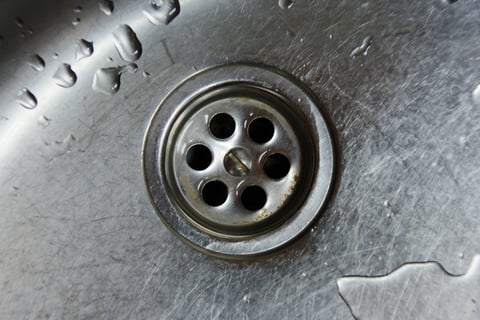
While it isn't technically a plug, the grid-style drain deserves a mention here as well. This small piece of metal with holes punched into it fits over the drain and prevents small particles from washing through. Many public restrooms use grid drains because they are much less likely to clog, and they prevent sinks from overflowing. If you have a grid drain in your residence, and the drain is recessed, it can be plugged with a rubber stopper.
For Showers and Tubs:
The lift-and-turn plug has a knob at the top. Twist clockwise and the drain closes; twist counterclockwise and it opens again. The long center screw is drilled into the drain crossbar and holds the plug in place.
The push-and-pull stopper is similar to the lift-and-turn plug, but instead of twisting it, you push the stopper down to fill the tub with water and lift it when it's time to drain.
The trip lever is installed through the tub overflow, which allows a small plunger farther down the pipe to close the drain when the trip lever is lifted, and open it when the lever is pushed down. This type of drain plug typically has a drain screen to keep large items from washing down the drain. The screen is especially helpful in catching hair before it gets into the pipes.
A toe-touch stopper is as easy as it sounds—you step on it to close the drain, and step on it again when you're ready to empty the tub.
The pop-up drain works the same in a tub as it does in a bathroom sink. The stopper is controlled by lifting and lowering a lever. This alternately lifts and lowers the stopper.
The flip-it stopper controls the flow of water when a toggle lever is moved from side to side. This stopper is the easiest to install—there are no tools necessary. Once you push it into the drain, the attached o-rings hold it in place and make the drain watertight.
For Kitchen Sinks:
Stainless steel kitchen sink with glass
The combination strainer and stopper is a removable plug that fits into a kitchen drain to prevent food particles from washing through it. When it's turned slightly, a rubber stopper at the bottom creates a tight seal in the drain, allowing the sink to be filled for washing or soaking. While it won't work on a drain that has been fitted with a garbage disposal, it is a very inexpensive, convenient choice.
A level stopper is also removable. It is typically a small plastic or silicon mat that sits over the top of the drain. While it does not provide a seal as tight as the strainer/stopper, its small amount of suction is usually enough to keep water in the sink for a short period of time.
A drain stopper, made of firm plastic or rubber, is placed directly into the drain for maximum stoppage. There is no strain feature on this type of stopper, but it is a good choice for drains that are connected to a garbage disposal.
For all your drain and drain service needs, contact the professionals at Drain King.
At Drain King, we take great pride in our reliable, courteous, and highly qualified technicians. We use state-of-the-art equipment to correctly diagnose and repair whatever drain service problem plagues you. We can detect and pinpoint a water- or sewer-line disruption at its exact location, and follow it up with an expert diagnostic solution, saving you considerable time, money, and frustration during the repair process.
While some of the most common household drain service problems are easy and inexpensive fixes (for example: low water pressure, slow drains, a running toilet, or a jammed garbage disposal), they may be masking larger problems that can't be fixed with a Google search and some basic tools. These advanced problems require more technical diagnoses and repairs. We can determine precisely where and why your pipes are leaking and present you with a detailed explanation of the expense and labor involved in fixing them. We can correctly install or service water heaters and softeners, helping you choose the appropriate size and efficiency for your household's needs. We can locate the cause of your sewer-line disruption and fix it quickly, without having to tear up your yard or street.
The biggest advantage to these thorough diagnostic tests and repair/installation details is that, with such comprehensive information, you can decide how you want to proceed with the repair process. We at Drain King want you to be so well-educated on your drain service diagnosis that you can make pertinent decisions about resolving the issue. If you understand the what and the why, you can determine the how and the when.
One of the first things a Drain King technician will determine is whether the problem is with the drain service or septic system, followed by the location of the trouble, whether inside or outside the building. The remainder of the repair steps vary with each diagnosis but could include snaking, water jetting, or thawing of pipes; inspecting and/or pumping the septic tank; televising and transmitting services; and below-ground line repair and excavation. We pride ourselves on our thorough and legitimate diagnostic reports. We won't add unnecessary repairs or expenses to your report details. Trust our drain service experts to guide you through the repair process with honesty and experience.
Drain Service emergencies are never convenient. Dealing with them is a hassle no one has time for in today's busy world. You've got problems, and Drain King has solutions we guarantee in writing.
Lift stations are an integral part of a gravity-flow sewer system. As waste is discharged into the sewer lines, it flows downhill toward a sewer treatment plant. Ideally, all homes or developed properties would be built below the existing sewer line so gravity could do its job without help, but in reality, it just isn't possible. Lift stations allow properties to be developed further away from the city's main sewer line, but gives them the ability to connect to the existing sewer framework. A lift station is essentially an elevator for waste.
Two components make up a lift station: the wet well and the pump system. A wet well is a large, circular, underground holding tank (most commonly made of cement, but occasionally composed of steel or fiberglass) that waste drains into. After the sewage reaches a certain height in the well, a series of low-voltage floats triggers a pump, telling it when to turn on and when to stop pumping—once enough wastewater has been diverted to the main sewer line. (This process is similar to the float system used in the back of a toilet.)
If they are filled exclusively with "sanitary" waste, lift stations need very little maintenance. Problems arise when excessive grease and heavy debris find their way into the wet well. These FOG materials build up on pumps, chains, floats, and sidewalls, and will clog or damage the pump impellers, making it difficult to move waste through the sewer line. When left untreated, grease will form a solid layer across the top of the well, which prevents the lift station from pumping any waste to the main sewer line. This leads to an eventual wet-well overflow of raw sewage, which is difficult to contain and eliminate, not to mention dangerous to the environment.
The professional at Drain King begin a through lift-station cleaning by liquefying any solid grease so it is easier to pump out. We then pump out the well using a sanitary vacuum truck, and all of the floats, impellers, and well walls are pressure-washed and thoroughly cleaned. Any solid debris left on the bottom of the tank is removed. Then, we test the entire system to ensure each part is in good working condition. Because a wet well is considered a confined space, special labor-safety regulations are in place to make entry as safe as possible. Because of the potential hazards that can arise from a confined space, only specially trained workers should attempt to enter them. Drain King’s experts have received extensive instruction in confined-space protocols. We are a safe, reliable choice for all of your drain service needs.
Commercial kitchens produce a large amount of grease and fats that need to be disposed of regularly to maintain functionality and environmental regulations. Restaurants use grease traps or inflammable waste traps to collect these FOG (fat, oil, grease) materials, which prevents them from congealing in pipes and causing the sewer system to overflow. The grease collected from these kinds of kitchens can be categorized into two separate types: yellow grease and brown grease.
Yellow grease is typically used cooking oil left over from deep fat fryers and industrial-sized griddles. When the fryers need to be cleaned, the used grease is emptied into metal drum containers where it cools and congeals, and can then be recycled. It is considered a "clean" type of grease because the food it comes in contact with is either fresh or frozen, so there is no chance of contamination. Recycled yellow grease is mainly used to feed livestock, but it's also used to make soap, cosmetics, detergents, rubber, and some types of clothing. It can even be used to create biodiesel fuel! Biofuels that have been created from yellow grease burn cleaner than other types of fuel, they have a lower carbon content, and they don't produce carbon monoxide. They can be used to generate power and heat.
Brown grease is used to describe the FOG materials that are collected in grease traps or waste traps. These receptacles are designed to catch the FOGs before they can contaminate the rest of the sewer line. Some are small enough to fit under a commercial sink, while others need to be installed underground. Because the waste traps hold everything that is washed down a commercial drain, the grease mingles with rotting food and dirty water, making it unsafe and unsanitary for recycling purposes. Brown grease is usually pumped out of the waste traps and disposed of in landfills or incinerated. In the last few years, there has been some interest in creating ways to recycle brown grease. While it will never be suitable to manufacture the same types of products as its yellow counterpart, brown grease has the potential to become a viable alternative to diesel fuel and an oil substitute for heavy fuel. Developing technology may make it possible for brown grease to be processed in a manner similar to yellow grease, making it a viable source of biofuel.
The most important thing to remember about grease, whether yellow or brown, is to keep it out of your drain as much as possible. If left untreated, grease buildup almost always leads to sewer overflow. Remember to collect it and throw it away instead of dumping it down your sink or toilet! The environment will thank you, and so will your wallet!